You work hard for your money. So when someone tells you to put it in real estate, you want to know it’s a smart choice. I get it. Last year, I was talking to my neighbor, who wanted to buy a rental property<span style=”font-weight: 400;”> but kept asking the same question: “Is Richmond really growing, or am I just hearing hype?
Here’s what I found after looking at the numbers. Richmond, VA, is growing quietly but surely. Properties sell fast. Rental demand stays strong. And people keep moving here because of good jobs and affordable living. This city isn’t flashy like some big markets, but that’s exactly why it works for investors who want steady money without crazy competition.
Why Richmond, VA, Is Catching Investors’ Eyes Right Now
I remember when a friend told me she bought a house near VCU. She rented it out to students and made her money back in just a few years. That’s when I started paying attention to Richmond.
People are choosing Richmond for a simple reason: it gives you more for your money. You’re not paying New York prices, but you’re getting a city with real growth. The population keeps going up. More families move here every year. And when more people need homes, that’s good news for anyone who owns investment properties.
The Numbers Don’t Lie About Richmond’s Growth
Let me share something interesting. Right now, the median home value in Richmond sits around $382,000. That went up by about 1.3% in the past year, according to Zillow. Now, 1.3% might not sound like much, but in today’s market with high interest rates, any growth is a win.
But here’s the real kicker. Homes in Richmond go under contract in about 13 days. Yes, you read that right. When a good house hits the market, it doesn’t sit around. Buyers jump on it fast. That tells you people want to live here.
Almost half of the homes sell for more than the asking price. Why? Because buyers compete for the good ones. If you own property here, you’re in a strong position.
What Makes Richmond Different from Other Virginia Cities
I’ve looked at other cities in Virginia. Virginia Beach has tourists but higher prices. Northern Virginia near Washington DC is expensive for most first-time investors. Charlottesville has students but limited space.
Richmond sits right in the middle. You get: – A real city with culture and restaurants – Jobs that don’t depend on just one industry – Prices that won’t eat all your savings – Universities that bring young renters every year
The city also has the state government, banks, and hospitals. These jobs don’t disappear when the economy gets tough. That stability helps property values stay steady.
Current Richmond Real Estate Market Conditions
Right now, if you want to buy in Richmond, you need to be ready. The market moves fast. I talked to a local agent last month who said she had three clients lose out on houses because they waited one day to make an offer.
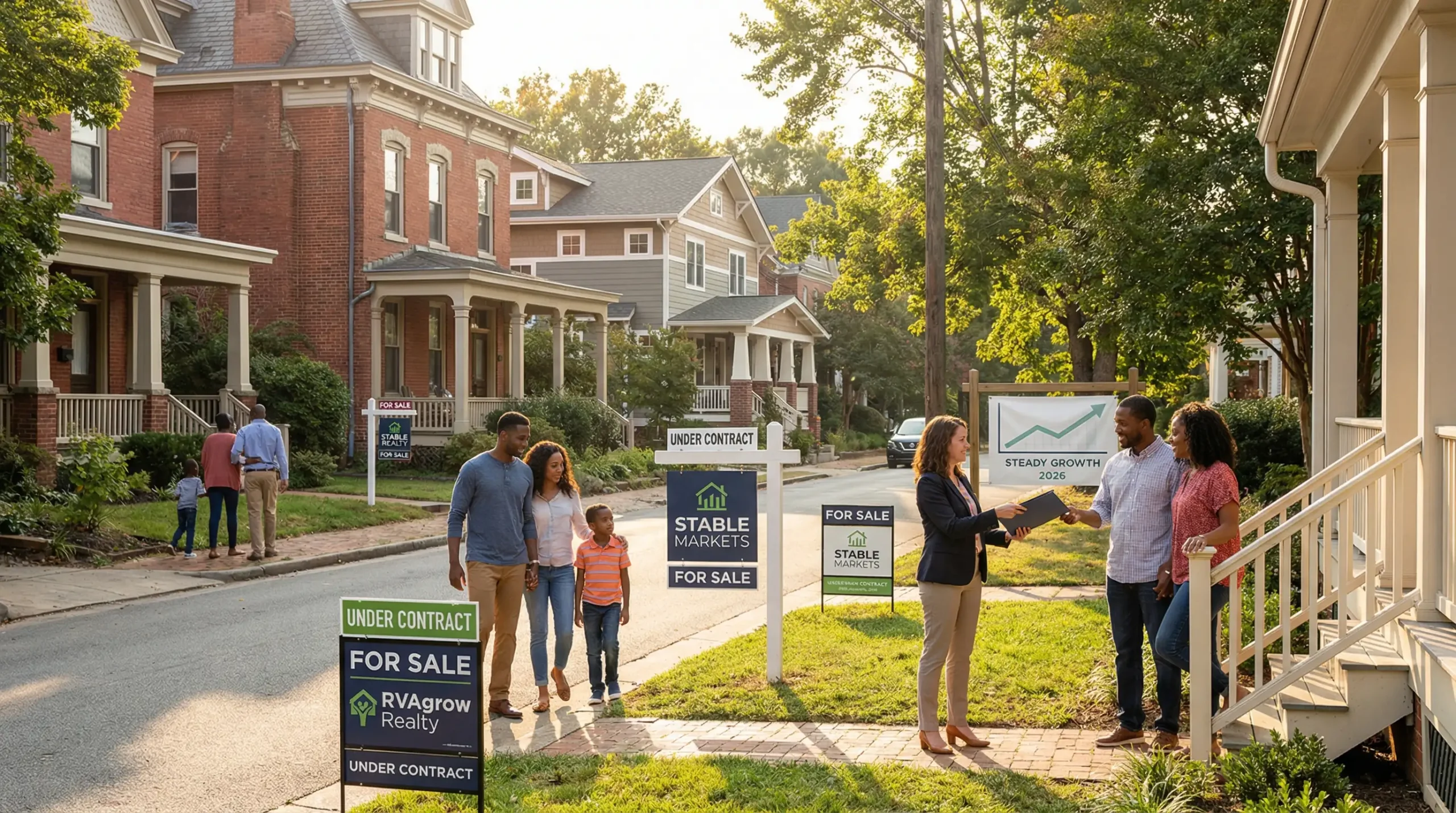
The housing market here isn’t cooling down like some other places. Sure, we’re not seeing the crazy jumps from a few years ago, but we’re not seeing drops either. It’s what I call a “healthy growth” market. Properties gain value slowly, which is actually better for long-term investors.
Home Prices and How Fast Properties Sell
The median sale price hit about $389,667 recently. That’s for the whole Richmond metro area, which includes the suburbs. In the city itself, especially near downtown or good schools, you’ll pay more.
Here’s something I learned from experience. Houses under $300,000 get the most competition. Why? Because first-time buyers and investors both want them. These properties rent out easily and don’t need huge down payments.
The middle range, from $400,000 to $650,000, moves well too. These are the move-up homes where families with kids want to live. If you buy here, make sure the house looks good. Families want nice kitchens and bathrooms.
Luxury homes over $750,000 sell more slowly but to people with cash. These buyers don’t worry as much about mortgage rates.
Rental Income: What You Can Really Expect
Let’s talk about the money you can make from rentals. The average rent in Richmond is about $1,500 per month for a decent place. That’s below the national average, which is good news for renters but also means you need to buy smart.
I know an investor who bought a small house near Carytown for $280,000. She fixed it up a little and now rents it for $1,800 a month. After her mortgage and expenses, she makes about $400 in cash flow every month. That’s not huge, but it adds up over a year. Plus, the house value goes up, too.
According to a report by Steadily, Richmond’s rental market stays strong because of steady demand. Students need places near schools. Young workers want apartments close to their jobs. And families look for houses in safe neighborhoods.
The vacancy rate stays low in good areas. That means you won’t have your property sitting empty for months. As long as you keep it clean and price it right, you’ll find tenants.
Best Neighborhoods for Real Estate Investment in Richmond
Not every neighborhood works the same for investors. Some areas rent to students. Others attract families. You need to match your property to the right renters.
I’ve walked around Richmond enough to know which places feel right. Some neighborhoods have old charm. Others have new shopping centers. Both can make money, but in different ways.
Fan District and Museum District: Where History Meets Profit
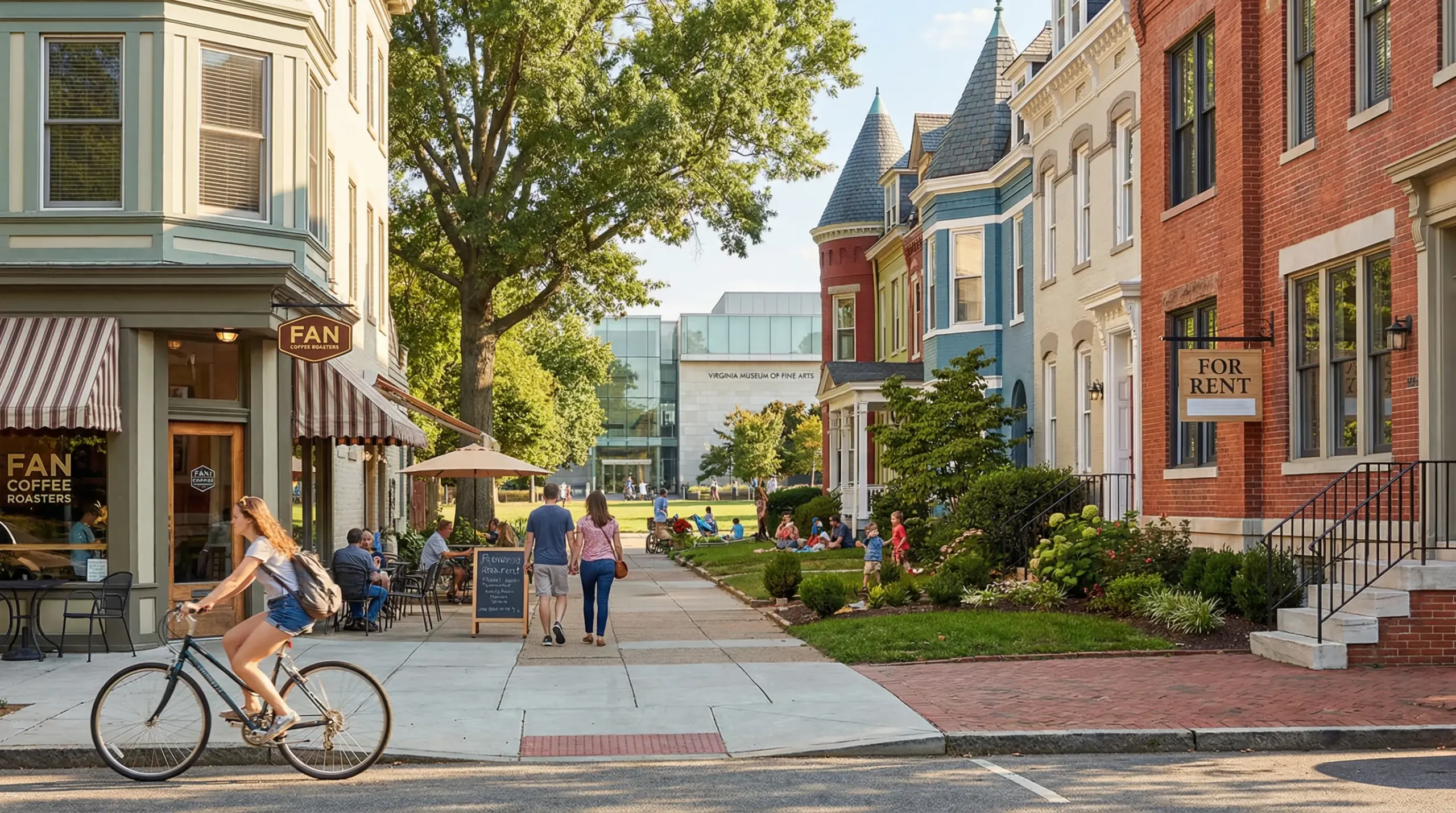
The Fan District is beautiful. Old Victorian homes line the streets. Trees everywhere. Coffee shops and small restaurants are on every corner. Young professionals and students love living here.
If you buy a row house or an old home here, you can rent it out pretty easily. The downside? These houses cost more upfront, and some need work. But the area stays popular year after year.

The Museum District sits right next to the Fan. It’s quieter and has families. The Virginia Museum of Fine Arts is there. Good schools are nearby. Properties here hold their value well.
One thing I’ve noticed: people who rent in these areas tend to stay longer. That’s good for you because you won’t constantly look for new tenants.
Short Pump and Henrico County: The Suburban Gold Mine
Short Pump is where families want to be. Big shopping mall. Chain restaurants. New houses. Good schools. If you want steady renters who pay on time, this is the place.
Properties here are newer, so you won’t deal with as many repairs. The rental rates are decent, and the area keeps growing. More businesses open every year, which means more jobs and more people needing homes.
Henrico County overall is investor-friendly. You get suburban living without being too far from the city. Commutes are easy. And families like the safe neighborhoods.
I’ve heard from local property managers that rentals in Short Pump rarely sit empty. Families looking for three-bedroom houses snap them up fast.
Why Richmond’s Economy Supports Real Estate Growth
You can’t separate real estate from jobs. If people don’t have work, they can’t pay rent or buy homes. Richmond’s economy is one of the reasons I feel good about investing here.
The city doesn’t depend on one big company. It has government jobs, healthcare, banks, and schools. When one industry slows down, others keep going. That balance helps keep unemployment low and money flowing.
Jobs That Keep People Moving to Richmond
Richmond is Virginia’s capital. That means state government workers live here. These jobs are stable. People don’t get laid off as often. They need homes close to work.
The city also has big hospitals and health systems. Healthcare jobs are growing everywhere, and Richmond has plenty of them. Nurses, doctors, and medical staff need apartments and houses.
Banks and finance companies have offices here too. The Federal Reserve even has a branch in Richmond. These are good-paying jobs that support the housing market.
According to an analysis by Rentastic, Richmond’s job market continues to expand across multiple sectors. This economic diversity makes the city less vulnerable to big downturns.
How VCU and Universities Drive Rental Demand
Virginia Commonwealth University is huge. Thousands of students attend classes there. And guess what? They all need places to live.
Student rentals can be good money if you do them right. Students usually rent for the school year. Some stay during summer. You need to be okay with a little more turnover, but the demand never stops.
I know investors who own houses near campus and rent them to groups of students. They split the rent four ways. Everyone pays less, but the investor makes more total rent.
Beyond students, universities bring professors and staff. These people often rent while they settle into the city or decide where to buy.
Challenges You Should Know Before Investing
I’m not going to tell you Richmond is perfect. No place is. You need to know what you’re getting into.
First, the good properties go fast. You can’t take weeks to think about it. If you see something you like, you need to move. Get pre-approved for a loan before you even start looking.
Second, some neighborhoods aren’t great for investment. Parts of Richmond have higher crime or old infrastructure. Do your homework. Drive around. Talk to people who live there.
Competition for Properties Is Real
Remember when I said homes sell in 13 days? That’s not a joke. Multiple offers happen all the time, especially on affordable houses.
I’ve seen buyers lose out because they offered $5,000 less than someone else. Or they asked for too many repairs. Or they didn’t have their financing ready.
If you’re serious about buying, work with a good real estate agent who knows Richmond. They’ll tell you what’s realistic. They’ll help you write a strong offer. And they’ll move fast when the right property shows up.
Property Management: Do It Yourself or Hire Help?
Here’s a question I get asked a lot: “Should I manage the rental myself or hire a property manager?”
It depends. If you live nearby and only have one property, you can probably handle it. You’ll save money on management fees. But you’ll also deal with tenant calls at midnight and fix broken toilets.
If you have several properties or live out of state, hire someone. A good property management company finds tenants, collects rent, and handles repairs. They take about 10% of the rent, but they save you time and stress.
I’ve talked to landlords who tried doing it themselves and gave up. The job is harder than it looks. Don’t be too proud to get help.
Future Outlook: Will Richmond Keep Growing?
Nobody has a crystal ball. But based on what I see, Richmond looks good for the next several years.
The city keeps attracting people. Jobs keep growing. And there’s still room to build more homes, which means more opportunities.
Interest rates will matter. If they drop, more buyers will jump into the market. If they stay high, renters will keep renting, which helps landlords.
What Experts Say About Richmond’s Next 5 Years
Forecasts show Richmond home values should go up by about 2.5% over the next year. That’s not explosive growth, but it’s solid. Over five years, that adds up to meaningful gains.
The city is also investing in infrastructure. New roads, better public transport, and downtown revitalization projects all help property values. When a neighborhood improves, home prices follow.
One expert I read said Richmond is a “steady performer.” It won’t make you rich overnight, but it won’t crash either. For long-term investors, that’s exactly what you want.
Conclusion
So is Richmond VA worth your investment money? From what I’ve learned, yes. The city offers a mix of affordability, growth, and stability that’s hard to find in other markets.
You’ll get decent rental income. You’ll see your property value go up over time. And you won’t lie awake at night worrying about the market crashing.
The key is to buy smart. Pick the right neighborhood. Get a good deal. And be ready to act fast when you find it. Richmond rewards investors who do their homework and stay patient.
If you’ve been thinking about real estate investing, Richmond deserves a serious look. It’s not the flashiest market, but sometimes the best opportunities are the ones people overlook.
Ready to Start Your Richmond Real Estate Investment Journey?
Don’t navigate the Richmond real estate market alone. Whether you’re buying your first investment property or growing your portfolio, having a local expert by your side makes all the difference.
At Buy and Sell Richmond, we help investors like you find the best properties, negotiate better deals, and build profitable real estate portfolios in Richmond, VA.
Frequently Asked Questions
Is Richmond VA a good place to invest in real estate?
Yes, Richmond is a good place to invest. The city has steady population growth, strong rental demand, and a diverse economy with government, healthcare, and education jobs. Properties sell quickly, and home values continue to rise slowly. It’s not a risky market, which makes it good for both new and experienced investors.
What is the average return on investment for rental properties in Richmond?
Returns vary by property and location, but many investors see cash-on-cash returns between 5% and 8%. Houses under $300,000 in good neighborhoods often perform best. Your actual return depends on purchase price, rent amount, and expenses like property taxes and maintenance.
Which Richmond neighborhoods offer the best investment opportunities?
The Fan District and Museum District attract young professionals and students. Short Pump and Henrico County appeal to families looking for suburban living. Church Hill is growing and offers more affordable entry points. Pick based on your target renter: students, families, or professionals.
Do I need a property manager for my Richmond rental?
It depends on your situation. If you live nearby and only own one property, you can manage it yourself. But if you have multiple rentals or live out of state, hiring a property management company makes sense. They handle tenant screening, rent collection, and repairs. Most charge about 10% of the monthly rent.
How much money do I need to start investing in Richmond real estate?
You’ll typically need at least 20% down for an investment property. For a $300,000 house, that’s $60,000. Add closing costs and a reserve fund for repairs, and you should have around $70,000 to $80,000 to start. Some investors use less with special financing, but having more cash gives you better options and lower monthly payments.