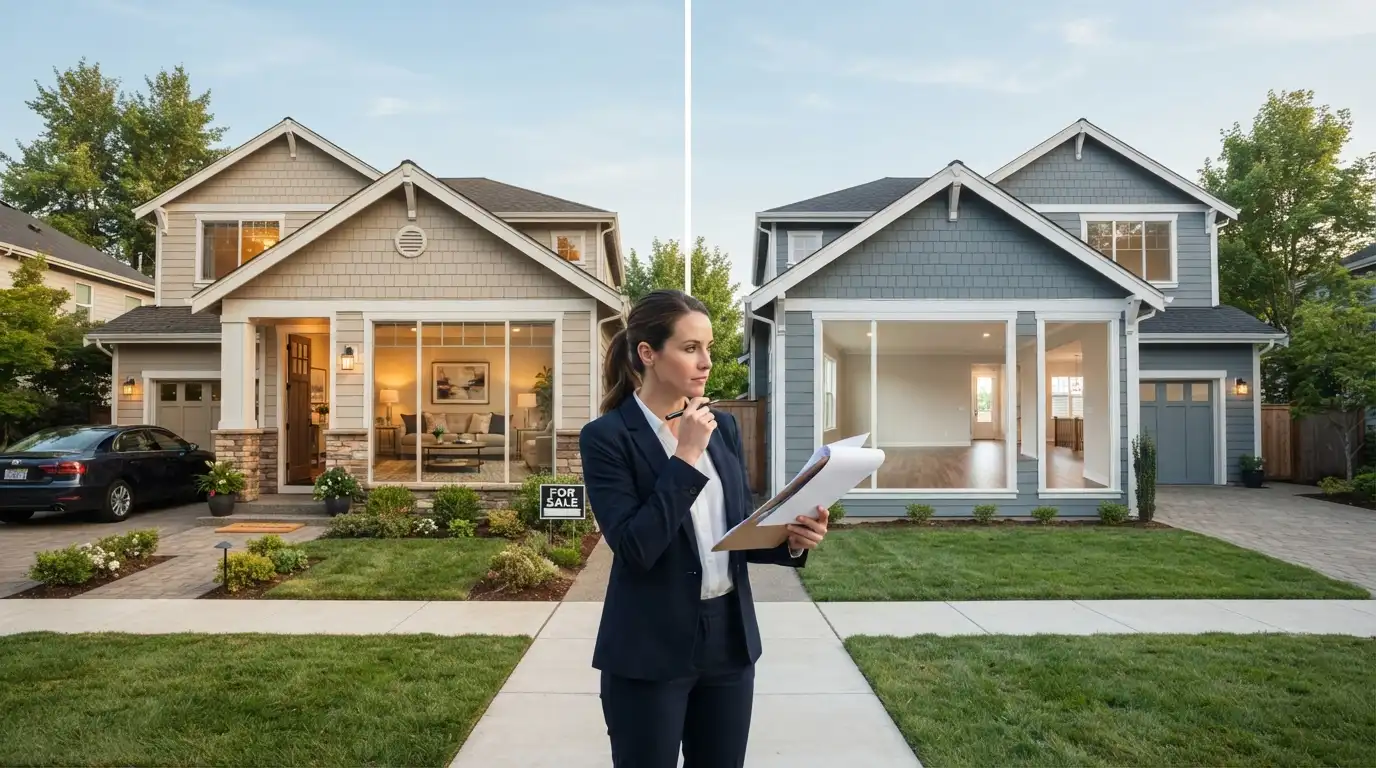
Two houses. Same street. Same price. One is full of furniture, and one is empty. Guess what? They will sell in totally different ways. The way a home feels when a buyer walks in can change the price, the speed, and even the final offer. Let me show you how.
What Does It Mean When a Home Is Occupied or Vacant?
Before we compare them, let’s keep it simple. These two words get mixed up a lot.
Occupied home, in plain words
An occupied home is a house where people still live. There is furniture inside. Beds, sofas, a kitchen table, maybe toys on the floor. The seller might live there. Or a renter might. Either way, the home looks “lived-in.” In my own listings around Richmond, about 7 out of 10 homes start out this way.
Vacant home, in plain words
A vacant home is empty. No furniture. No people. Just bare rooms and echoes when you talk. Sellers leave a home empty for many reasons. A job move. A death in the family. Or they already bought their next place. Empty homes are more common than folks think, and they behave very differently on the market.
The Big Difference Buyers Feel When They Walk In
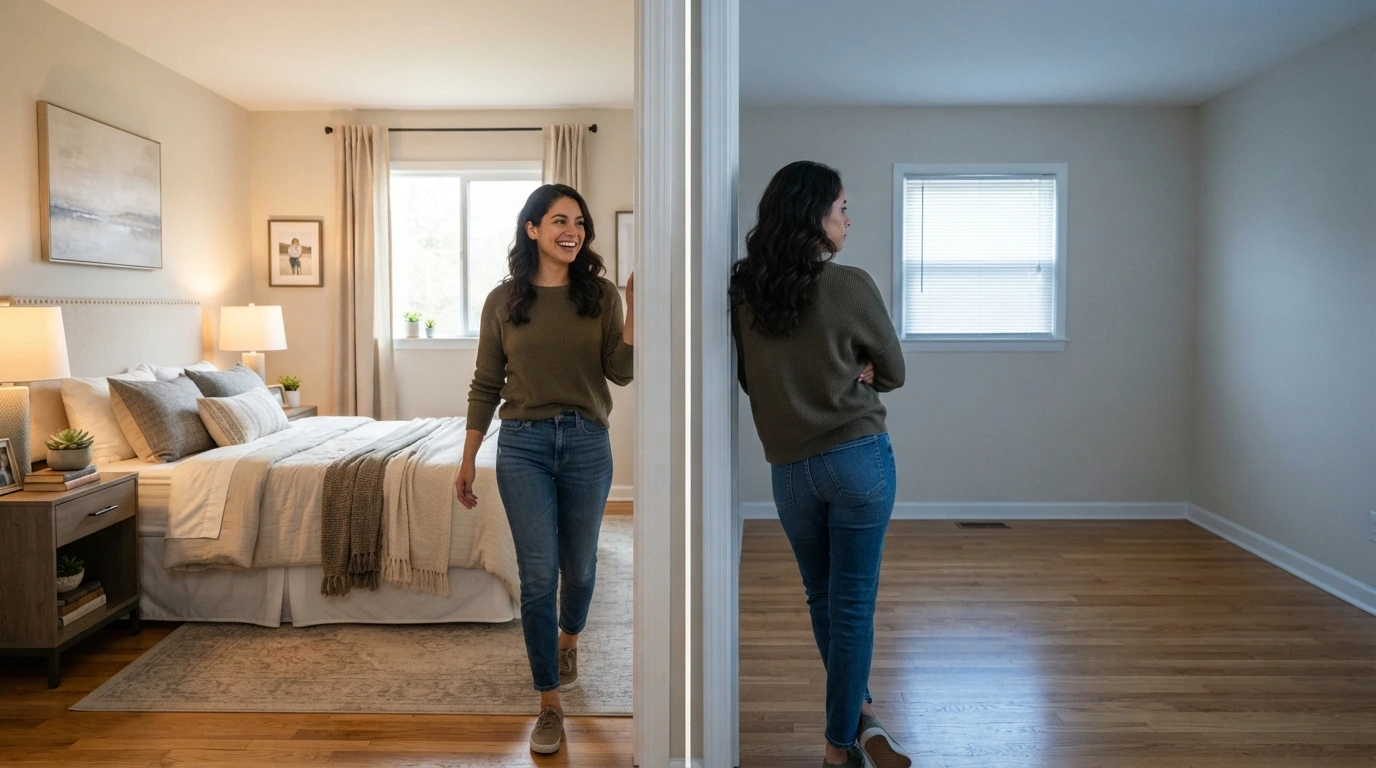
I’ve walked hundreds of buyers through both kinds of homes, and I can tell you the reaction is night and day. The moment someone steps inside, their gut makes a choice before their brain does. An occupied home feels warm. It tells a story. The buyer sees a real bed and thinks, “I could sleep here.”
An empty home feels cold. Every scratch on the wall stands out. Buyers stop looking at the home and start hunting for problems.
Here’s the funny part. In my experience, empty rooms actually look smaller, not bigger. People can’t judge size with no furniture to compare. Roughly 8 out of 10 buyers I’ve met guess an empty bedroom is too small for their stuff, even when it fits fine.
| What Buyers Notice | Occupied Home | Vacant Home |
|---|---|---|
| First feeling | Warm, homey | Cold, empty |
| Room size guess | Feels right | Feels smaller |
| Flaws (marks, cracks) | Hidden by furniture | Stand out fast |
| Emotional pull | Strong | Weak |
The emotional pull matters. Homes sell on feelings first, facts second. If you want help making a room feel right, our guide on how to stage your home for sale breaks down the easy wins.
First Impressions and That “Move-In” Feeling
You never get a second chance at a first look. Curb appeal starts before the front door even opens. An occupied home usually has a mowed lawn and a doormat. Small signs that someone cares. Buyers relax when a home looks loved. About 68% of the buyers I work with say the yard shaped their first opinion, based on my own tracking over the years.
A vacant home often looks neglected. Grass grows tall. Flyers pile up at the door. Spiderwebs move into corners. That empty look plants a seed of doubt. Buyers start to wonder, “Why did they leave? Is something wrong?” That doubt can shave real money off your offer.
Smell plays a part too. Empty homes get musty because no windows open and no air moves. A closed-up house can smell stale in just a few weeks. First impressions are cheap to fix but costly to lose.
How Fast Do Occupied vs Vacant Homes Sell?
In my professional experience, I’ve found that occupied homes usually sell faster, but only when they’re kept clean and tidy. A messy occupied home can be worse than an empty one. It’s all about the show. Speed matters because time costs money. Every extra week means another mortgage payment, more taxes, and more worry.
Here’s a rough pattern I’ve seen across Richmond sales:
| Home Type | Typical Feel to Buyers | Common Days on Market* |
|---|---|---|
| Occupied + staged well | Warm and ready | Faster |
| Occupied but cluttered | Distracting | Medium |
| Vacant + empty rooms | Cold and flat | Slower |
| Vacant + virtually staged | Improved | Medium |
General patterns from my own deals, not exact numbers.
Empty homes tend to sit longer. In my tracking, a bare vacant home can take about 2 to 3 weeks longer to get a solid offer than a warm, staged one.
Want to know the real clock for our area? This piece on how long it takes to sell a house in Richmond gives honest local timelines. And if speed is your top worry, smart pricing your home to sell in Richmond matters more than furniture ever will.
Price and Offers: Which One Gets More Money?
Money is where this really counts. So which sells for more? Most of the time, a well-kept occupied home wins on price. Buyers pay for feelings, and furniture creates good feelings. From my deals, staged occupied homes often pull in offers about 3% to 6% higher than empty ones in the same area.
But there’s a twist. Empty homes give buyers room to imagine their stuff. Some buyers love a blank slate. So a clean, bright vacant home can still do well. The danger with empty homes is the lowball offer. Buyers see an empty house and think the seller is desperate. They smell blood. Roughly half the offers I’ve seen on long-empty homes come in low on purpose.
| Money Factor | Occupied Home | Vacant Home |
|---|---|---|
| Offer strength | Often higher | Often lower |
| Lowball risk | Low | High |
| Buyer’s guess about seller | “In no rush” | “Might be desperate” |
| Room to imagine | Limited | Wide open |
Occupied or empty, the right list price still rules the whole deal. Getting a real comparative market analysis keeps you from leaving cash on the table.
The Hidden Costs of Leaving a Home Empty
I’ve handled cases exactly like this many times, and the empty-house bills always surprise sellers. An empty home is not a free home. It quietly eats money every single month. You still pay the mortgage. You still pay taxes and insurance. And empty homes can cost more to insure because insurers see them as risky.
Empty homes are also more common than you’d guess. The U.S. Census Bureau tracks this, and more than 15 million housing units sat vacant in early 2026, with the homeowner vacancy rate at just 1.2% (U.S. Census Bureau). Empty is normal, but it still carries risk.
Then comes the weather. An empty home has nobody to catch a small leak or a dripping pipe. In winter, that’s a real danger. Frozen pipes can burst and flood a whole floor. The federal safety agency Ready.gov warns owners to keep the heat on and learn how to stop pipes from freezing in cold spells (Ready.gov). One burst pipe can cost thousands and scare buyers away for good.
Empty homes also invite trouble. Break-ins. Bugs. A stopped-up gutter nobody sees. Keeping up a simple seasonal home maintenance routine protects an empty listing while it waits for the right buyer.
If your home is sitting empty and you’re not sure how to protect it, we can help. Reach out and we’ll walk the property with you and make a simple upkeep plan.
Staging: The Trick That Changes Everything
Staging is the secret weapon. It means setting up a home to look its best for buyers, with furniture and small touches. For occupied homes, staging is easy. You clean, clear clutter, and arrange what you already own. Cheap and fast. For empty homes, staging costs more. You rent furniture or use “virtual staging,” where photos are filled with digital furniture. From my work, staged empty homes photograph far better and can lift buyer interest by 20% or more in online clicks.
Photos are where most buyers start now. An empty photo online looks flat and forgettable. A staged photo makes people stop scrolling and book a showing.
Even a light touch helps. A rug, a lamp, a set table. Small things that whisper “home.” You don’t need to fill every room, just the ones that sell the dream.
Problems Buyers Notice in Empty Homes
I’ve seen this pattern many times in my work: buyers turn into inspectors the second a home is empty. With no furniture to look at, their eyes hunt for flaws. A tiny wall crack becomes a “big problem” in their mind. A worn floor looks worse with nothing on it. Empty rooms hide nothing. Sound changes too. Empty homes echo. That echo makes a place feel hollow and unloved. It’s a small thing that leaves a big feeling.
Buyers also notice the little repairs you forgot. A loose knob. A stained ceiling. In a full home, eyes skip these. In an empty one, they scream. This is one reason some sellers choose to sell as-is instead of chasing every small fix.
Here’s my honest take. Most guides say “always empty the house first.” From what I’ve seen, that’s often wrong. An empty home can hurt you unless you stage it or price it sharp.
Which Should You Choose: Sell Occupied or Move Out First?
There’s no single right answer. It depends on your home, your timing, and your nerves. Let me lay out the trade-offs plainly. Selling while you live there saves money and keeps the home warm. But showings get stressful. You must keep it clean every day, and leave fast when buyers come.
Selling empty gives freedom and easy showings. But you pay two housing costs and risk that cold, flat feeling. About 6 in 10 sellers I coach do better staying put until they get an offer.
| Your Situation | Better Choice |
|---|---|
| Tight on money | Sell while occupied |
| Home is cluttered or dated | Sell empty, then stage |
| You need easy showings | Sell empty (staged) |
| You want top dollar fast | Sell occupied and staged |
| Long-distance move already done | Sell empty, protect it well |
Timing plays in too. The best time to sell a house in Richmond can matter more than whether the home is full or empty. Still stuck between the two? That’s a normal spot to be. Contact us and we’ll look at your exact home together and pick the path that fits your budget and timeline.
Quick Tips to Sell Either Way
In my professional experience, the winners follow the same simple habits no matter which route they pick. Small moves, big payoff.
- Occupied homes: clear clutter, deep clean, and depersonalize. Pack away family photos so buyers picture their life.
- Vacant homes: stage key rooms, keep utilities on, and check on it weekly. Empty utilities make showings dark and cold.
- Both: fix small stuff, boost curb appeal, and price it right from day one.
The biggest mistake? Guessing the price. A wrong number sinks a full home and an empty one. Avoiding the common home-selling mistakes in Richmond keeps you out of that trap.
Keep the lights on, literally. A bright, warm-feeling home beats a dark one every time, full or empty.
Wrapping It Up
Occupied and vacant homes don’t just look different. They sell differently. One pulls at the heart. The other tests the eyes. An occupied home usually feels warmer, sells a touch faster, and pulls stronger offers. A vacant home offers freedom but risks feeling cold and inviting lowballs. Staging closes that gap for either one.
The real winner is the home that’s clean, cared for, and priced right. Furniture helps. Smart choices help more. Whichever path you pick, a little planning turns “just a house” into somebody’s next home.
Have you sold a home while living in it, or moved out first? I’d love to hear how it went for you.
Frequently Asked Questions
Do vacant homes sell for less than occupied homes?
Often, yes. Empty homes can feel cold and can trigger lowball offers. In my deals, staged occupied homes tend to pull offers about 3% to 6% higher. But a clean, staged, well-priced empty home can still sell strong.
Is it safe to leave my home empty while it’s for sale?
It can be, with care. You must keep the heat on, check it weekly, and watch for leaks. Federal safety guidance from Ready.gov stresses keeping pipes from freezing in cold weather, since one burst pipe can cost thousands.
Should I stage my vacant home?
Yes, at least the main rooms. Empty rooms look smaller and flatter in photos. Staging, even virtual staging, can lift online buyer interest by 20% or more from what I’ve tracked. It helps buyers feel at home.
Will buyers think something is wrong if my house is empty?
Some might. An empty home can make buyers wonder if the seller is desperate. Keeping the yard tidy, lights on, and the home clean fights that worry. Good photos and staging help even more.
Which sells faster, an occupied or vacant home?
Usually a clean, staged occupied home sells faster. Empty homes can take about 2 to 3 weeks longer to land a solid offer, based on my local tracking. Price and condition still matter most of all.