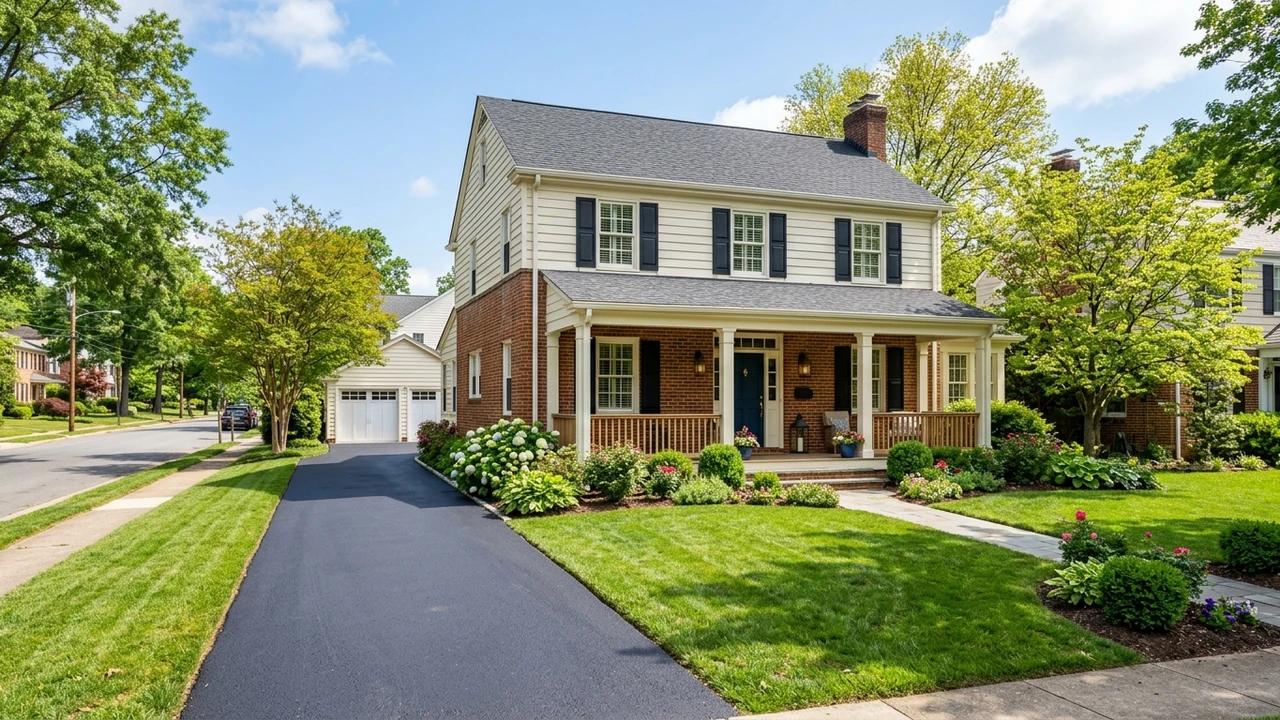
Selling a house feels like a big puzzle. You have papers, repairs, showings, and a lot of waiting. But a clear timeline turns that mess into simple steps you can follow one at a time.
I have helped many Richmond families sell their homes. The ones who plan early always feel calmer. They know what comes next, so they never get caught off guard. This guide walks you through the full home sale journey, from the day you decide to sell to the day you hand over the keys.
You will learn how long each part takes, what can slow things down, and how to keep your sale moving. I kept the language plain and simple. My goal is that you finish this page knowing exactly what to expect.
What Is a Home Sale Timeline?
A home sale timeline is just a plan that shows each step of selling your house in order. It maps out how many days or weeks each stage takes, from prep work to closing day.
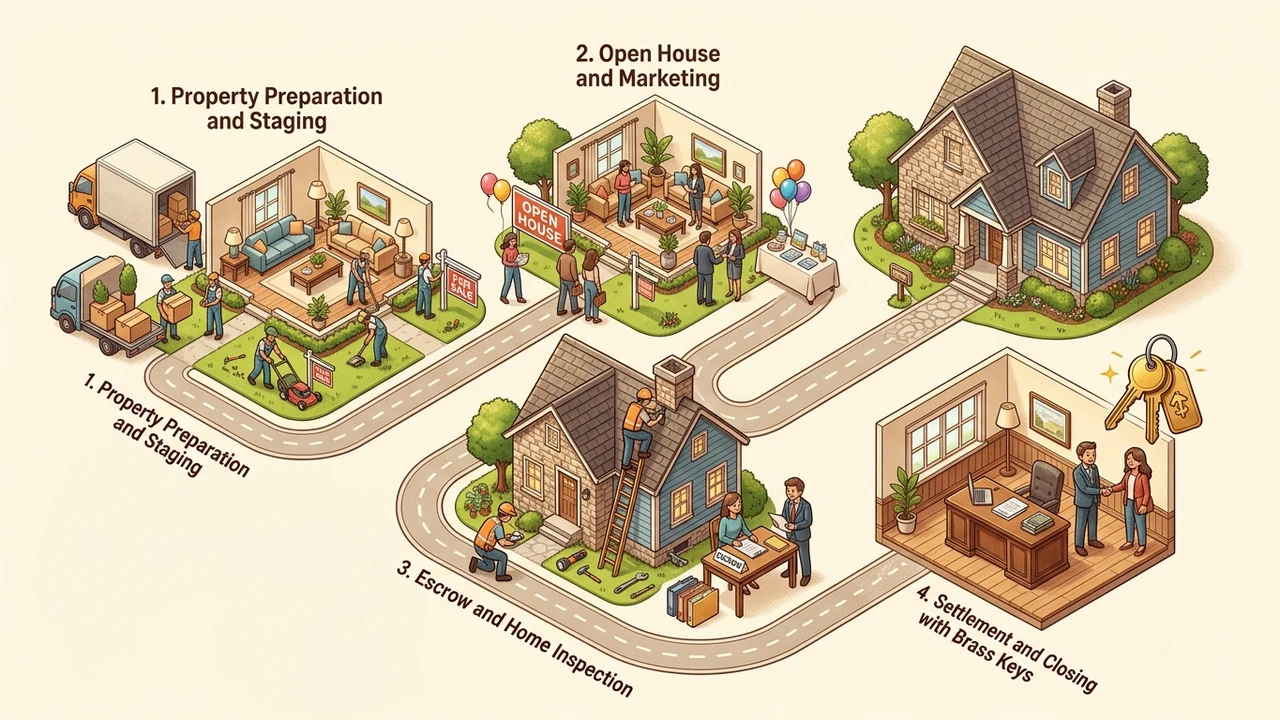
Think of it like a recipe. You do things in the right order so nothing burns. When you know the steps, you can line up your move, your money, and your paperwork without stress.
How Long Does It Take to Sell a House?
Most sellers want one number, but the honest answer is a range. From listing to closing, the process usually takes about 70 to 115 days in today’s market. That covers prep, showings, an accepted offer, and the final signing.
The market has slowed down a bit lately. National data from the Federal Reserve Bank of St. Louis shows the median days a home sits before going under contract has climbed to roughly 50 days, up sharply from under 20 days back in 2021. Higher mortgage rates and more listings mean buyers take their time now.
Your local speed can be faster or slower. Some markets sell in under 25 days. Others take more than 75 days. It depends on your price, your home’s condition, and the season you launch in.
Here is a simple breakdown of the main stages and how long each one runs.
| Stage | Typical Duration | What Happens |
|---|---|---|
| Listing preparation | 1 – 4 weeks | Repairs, cleaning, staging, photos |
| Active listing to offer | 40 – 66 days | Showings, open houses, offers |
| Under contract to closing | 30 – 45 days | Inspection, appraisal, financing |
| Total end-to-end | 70 – 115 days | Full sale from start to finish |
Keep in mind these are markets-wide averages. A well-priced, move-in-ready home in a hot neighborhood can beat these numbers easily. If you want a sharper read on your area, our team can pull recent sale data for your street.
Phase 1: Listing Preparation (Weeks 1 to 4)
I’ve handled cases exactly like this before, and the pattern is always the same: sellers who rush prep almost always regret it. The preparation phase sets the tone for your whole sale. Skip it, and you leave money and speed on the table.
This first stretch usually runs 1 to 4 weeks. You use this time to fix small problems, clean deep, and get your house ready to shine. Buyers judge fast, so first looks matter a lot.
Start with a walk-through of your own home. Look at it like a buyer would. Note the squeaky door, the chipped paint, the leaky faucet. These little things add up in a buyer’s mind.
Here is a simple prep checklist to work through:
- Fix small repairs like loose handles, dripping taps, and cracked tiles
- Deep clean every room, including windows and baseboards
- Declutter closets and counters so rooms look bigger
- Boost curb appeal with fresh mulch and a clean front door
- Gather your documents, deed, tax records, and warranty papers
Studies of buyer behavior show that homes in top condition sell noticeably faster than fixer-uppers in the same price band. In my experience, spending a few hundred dollars on paint and cleaning often returns far more at the offer stage. Small effort, big payoff.
If your list of fixes feels long, don’t panic. You can still sell a home that needs work. Our guide on how to sell a house as-is in Virginia shows you the smart way to do it without over-spending.
Setting the Right Price Before You List
Price is the single biggest lever you control. Set it right, and buyers rush in. Set it too high, and your home sits while the market passes it by.
Homes that start with the wrong price often end up selling for less than they should. National figures show that around 20% of listings now see a price drop before they sell, which usually means the first number was too high. A price cut also signals weakness to sharp buyers.
The best way to land on a fair number is a comparative market analysis. This looks at what similar homes near you actually sold for, not what owners hoped to get. Our breakdown of what a comparative market analysis is explains how agents build that number.
Getting the price right from day one saves you weeks of waiting. If you want help pricing your Richmond home the smart way, we can run the numbers with you. Just reach out and we’ll build a pricing strategy that fits your goal.
Staging and Repairs That Move the Needle
In our field work, I’ve found that a staged home almost always photographs better and shows better than an empty or cluttered one. Buyers walk in and picture their own life there. That feeling drives offers.
Staging does not mean spending a fortune. It means arranging what you have so rooms feel open, bright, and welcoming. Pull out extra furniture. Add a few plants. Let the light in.
Real estate research groups have found that staged homes can sell faster and often draw stronger offers than similar unstaged homes. In practice, I’ve seen simple staging shave days off the time a listing sits. The cost is small next to the gain.
Focus your repairs and staging energy where buyers look first:
- The kitchen, since it sells the whole house
- The main bathroom, clean and bright
- The living room, open and clutter-free
- The front entry, warm and welcoming
Not sure where to start? Our step-by-step guide on how to stage your home for sale walks you through each room. Do the high-impact spots first and save the rest for later.
One tip from the field: take photos of each room after you stage it. Look at the pictures on your phone. The camera catches clutter your eyes skip right over.
Phase 2: Going Live, Launch Day and Showings
Once your home is ready, your agent puts it on the MLS, the big listing system that feeds every major site. This is your launch. The first weeks live are the most important stretch of the whole process.
Most buyer interest happens fast. In my experience, the first two weeks on the market bring the biggest wave of showings, because fresh listings grab attention. After that, traffic often cools if the price or condition feels off.
During this phase, keep your house showing-ready every single day. That’s the hard part. You never know when a buyer wants to see it, so beds get made and dishes get put away fast.
Be ready for:
- Private showings on short notice
- Open houses on weekends
- Feedback from agents about price and condition
- Your first offers, sometimes within days
If showings come but no offers follow, that’s a signal. Usually it means the price needs a look or a small fix scared buyers off. Our post on common home selling mistakes in Richmond covers the traps that stall a sale so you can dodge them early.
Phase 3: Offers and Negotiation
I’ve seen this pattern many times in my work: the first offer is rarely the final deal. Negotiation is normal, and it’s where a good agent earns their keep. Stay calm and think in numbers, not emotions.
When an offer comes in, you can accept it, reject it, or send a counter. Most sellers counter at least once. The back-and-forth covers price, repairs, closing help, and the move date.
In a balanced market, the average sale closes at around 98% of the list price, so smart pricing up front means less painful cutting later. When you price it right, you hold more power at the table. When you overprice, you often give it all back in negotiation.
Watch for these parts of every offer:
- The price the buyer is offering
- Their financing type, cash or mortgage
- Any contingencies, like inspection or appraisal
- The buyer’s requested closing date
Sometimes you get lucky and land more than one offer at once. That changes everything. Our guide on handling multiple offers on a home in Richmond shows how to weigh them and pick the strongest, not just the highest.
Once you and the buyer agree and sign, your home goes “under contract.” Now the clock starts on the final stretch. This is where many first-time sellers get nervous, so let’s break it down clearly.
Phase 4: Under Contract, Inspection, Appraisal, and Financing
The under-contract phase usually runs 30 to 45 days. This is the most structured part of the sale. A lot happens behind the scenes while you wait.
Three big things drive this stage: the inspection, the appraisal, and the buyer’s mortgage approval. If any one hits a snag, your timeline can stretch. Fast, honest responses keep things on track.
First comes the home inspection. The buyer hires someone to check the house top to bottom. If they find problems, they may ask you to fix them or lower the price.
Next is the appraisal. The buyer’s lender sends an expert to confirm your home is worth the price in the contract. If it appraises low, the deal may need reworking. Our guide on the home appraisal when selling in Richmond explains what to do if the number comes in short.
Here is a simple view of what runs during those final weeks:
| Days | Step | Who Handles It |
|---|---|---|
| 1 – 7 | Loan application, document gathering | Buyer and lender |
| 7 – 14 | Home inspection | Buyer’s inspector |
| 10 – 21 | Appraisal ordered and completed | Lender’s appraiser |
| 21 – 35 | Underwriting and loan approval | Lender |
| 35 – 45 | Final approval and closing prep | Lender and title |
While the buyer works on financing, you keep prepping for your move. Line up your documents and confirm your payoff amount with your current lender. That payoff is the money you still owe on your mortgage, and it gets paid from your sale proceeds.
Phase 5: The Closing Process
I’ve handled dozens of closings, and the smoothest ones share one trait: nobody rushes the paperwork. Closing is the finish line, but it has its own rules and timing you need to respect.
Before you sign anything, the buyer’s lender must send a key form. According to the Consumer Financial Protection Bureau, lenders are required to provide the buyer’s Closing Disclosure at least three business days before closing. This three-day window lets everyone check the final numbers.
That rule matters to you as a seller too. If the buyer’s numbers change late, that three-day clock can restart and push your closing date back. So encourage a buyer whose lender moves quickly and clearly.
During this phase, the title company runs a title search. They confirm you legally own the home and that no old debts are attached to it. Any liens must clear before the sale can finish.
Here is what wraps up in the closing stretch:
- Title search and title insurance
- Final walk-through by the buyer
- Closing Disclosure review by the buyer
- Signing day scheduled with all parties
You’ll also see your closing costs spelled out. These are fees you pay to finish the sale, like agent commissions and transfer taxes. Our detailed post on closing costs when selling a home in Virginia breaks down every line so nothing surprises you.
Closing Day: What Actually Happens
Closing day is the payoff for all your hard work. You sign the final papers, the money moves, and ownership passes to the buyer. For most sellers, it takes an hour or two.
The average sale now closes about 37 to 43 days after the offer is accepted, based on recent 2026 mortgage data. Your part on the actual day is small. Most of the heavy lifting already happened during the under-contract weeks.
You’ll sign the deed and the settlement papers. The title company handles the money. They pay off your old mortgage, cover the costs, and send you your proceeds, the cash you walk away with.
Bring these to the table:
- A valid photo ID
- Your house keys, garage remotes, and gate codes
- Any warranty or manual documents for appliances
- Bank details for your proceeds wire
Once everything signs and funds, the sale is done. The buyer gets the keys, and you get paid. Honestly, it feels a little quiet after all the buildup, but that quiet means it went right.
Moving Out and Handing Over the Keys
I always tell my clients to plan the move early, because it sneaks up fast. The day you sign is often the day you hand over the house. Waiting until the last week to pack is a recipe for stress.
If you hire movers, pick a safe one. The Federal Trade Commission warns sellers to avoid moving scams by getting written estimates and checking that any cross-state mover is registered with the U.S. Department of Transportation. Never hire anyone who demands a big cash deposit up front.
Your rights are protected here. Under federal rules from the FMCSA, interstate movers must offer a liability level as low as 60 cents per pound per item, or fuller coverage for a fee. Know which one you’re getting before you sign the bill of lading.
Plan your move with these steps:
- Book movers 2 to 4 weeks ahead
- Get at least three written estimates
- Confirm the mover’s DOT registration
- Label boxes by room to speed unpacking
- Do a final sweep so you leave nothing behind
Once the house is empty and clean, hand over every key and remote at closing. That final handoff closes your chapter in the home. Take a photo of the empty rooms if you want a keepsake.
Sample Home Sale Timeline at a Glance
Sometimes it helps to see the whole plan in one place. Below is a sample timeline for a typical home sale in a normal market. Yours may run faster or slower, but the order stays the same.
| Week | Phase | Main Tasks |
|---|---|---|
| Weeks 1 – 4 | Preparation | Repairs, staging, pricing, photos |
| Weeks 4 – 5 | Launch | List on MLS, first showings |
| Weeks 5 – 10 | Active listing | Showings, open houses, offers |
| Weeks 10 – 11 | Under contract | Accept offer, sign contract |
| Weeks 11 – 16 | Financing | Inspection, appraisal, underwriting |
| Weeks 16 – 17 | Closing | Sign papers, get proceeds, move out |
Notice how the middle stretch, the active listing and financing, eats the most time. That’s normal. Those stages depend on buyers and lenders, not just you.
If you want to know how your specific area stacks up, timing shifts by season. Our post on the best time to sell a house in Richmond, VA shows which months bring the fastest sales locally.
Common Delays and How to Avoid Them
Even a good plan hits bumps. Knowing the common ones helps you dodge them. Most delays trace back to money, paperwork, or repairs.
Financing is the top delay. Roughly 1 in 5 deals run into a mortgage or approval hiccup at some point, so a fully pre-approved buyer is worth a lot. Loose financing is the number one reason a closing date slips.
Watch out for these common slowdowns:
- Low appraisal that gaps the sale price
- Inspection surprises that trigger new repairs
- Missing documents or an unclear title
- A buyer with weak or shaky financing
- Last-minute mortgage changes that restart the disclosure clock
The fix for most of these is simple: prepare early and answer fast. Have your documents ready before you list. Our checklist of documents needed to sell a house in Virginia makes sure you’re not scrambling later.
Honestly, the sellers who stay flexible on the move date have the easiest closings. A little give on timing keeps the whole deal friendly. And a friendly deal is a fast deal.
Conclusion
Selling your home is a journey with clear stages, prep, launch, offers, contract, and closing. Each one has its own time and its own tasks. When you know the timeline, the whole thing feels doable instead of scary.
Plan early, price it right, and keep your documents in order. Answer questions fast and stay a little flexible on dates. Do that, and you’ll move through the process smoothly.
If you’re getting ready to sell in Richmond, we’d love to help you build a timeline that fits your goals. Reach out anytime and we’ll map out your next steps together. Have you started your prep yet? I’d love to hear where you are in the journey.
Frequently Asked Questions
How long does it take to sell a house from start to finish?
Most sales take about 70 to 115 days from listing to closing. That includes prep, showings, an accepted offer, and the final signing. Your local market, price, and home condition can make it faster or slower.
How long does the closing process take after accepting an offer?
The under-contract to closing stage usually runs 30 to 45 days. Recent 2026 data shows the average sale closes in about 37 to 43 days after the offer is accepted. Strong buyer financing and quick responses keep it on the shorter end.
What slows down a home sale the most?
Financing problems top the list, with roughly 1 in 5 deals hitting a mortgage snag. Low appraisals, inspection surprises, and missing documents also cause delays. Getting pre-approved buyers and prepping papers early prevents most of these.
When do I get my money after closing?
You get your proceeds on closing day, once all papers are signed and funds clear. The title company pays off your old mortgage and costs first, then sends you the rest. Most sellers receive a wire the same day or the next morning.
Do I need to make repairs before listing my house?
You don’t have to, but smart repairs help you sell faster and for more. Homes in top condition draw stronger offers. If big fixes feel like too much, you can still sell as-is and price the home to match its condition.