
Here’s the truth. Buyers make up their minds fast. Studies on first impressions suggest people form a strong opinion in the first 7 to 10 seconds of walking in. Your house has one shot to feel like home.
I’ve walked hundreds of buyers through homes here in Richmond. And I keep seeing the same gap. Sellers focus on big things. Buyers notice small things. This guide fixes that gap.
The First 10 Seconds: Why the Front Door Sets the Mood
I’ve handled cases exactly like this before. A seller spent thousands on a new kitchen. But the front door stuck, the paint peeled, and a buyer frowned before they even stepped inside. That frown followed them through the whole house.
The front door is your handshake. If it feels warm and clean, buyers relax. If it feels stiff or dirty, they get picky about everything else.
Curb appeal matters more than people think. In my work, homes with a tidy entry and fresh first impression tend to get faster, stronger offers. About 8 out of 10 buyers I meet mention the outside before they mention any room.
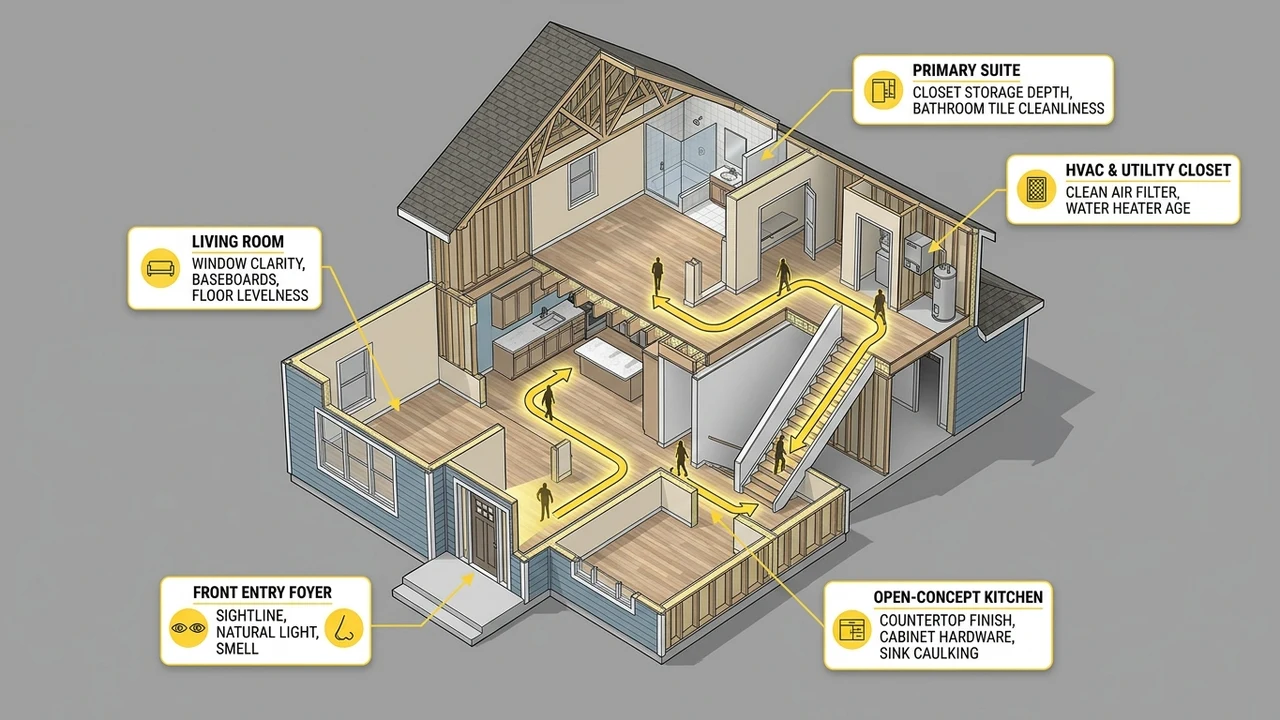
Here’s what buyers scan at the door:
- The doormat and porch: clean or grimy?
- Paint and trim: fresh or flaking?
- The lock: smooth or fighting the key?
- Smell: does the entry feel fresh or stale?
Small fixes win here. Tighten the hinges. Wipe the glass. Add one green plant. If you want a full room-by-room plan, our guide on staging your home for sale walks you through it step by step.
You don’t need a big budget. You need a door that says “welcome,” not “wait.”
Smell Is the Silent Deal Breaker
In my professional experience, smell is the number one thing sellers miss. You live in your home every day. So you stop smelling it. Buyers do not.
Pet odor, old cooking, damp carpet, cigarette smoke. These stick to walls and fabric. And they push buyers out the door in minutes.
Bad indoor air is not just about comfort. According to the U.S. Environmental Protection Agency (EPA), indoor air can hold pollutants at levels 2 to 5 times higher than outdoor air, and strong lingering odors often point to moisture or poor airflow (epa.gov). Buyers may not know the science. But they trust their nose.
Here’s a simple test I give every seller. Leave the house for an hour. Come back in and take a deep breath at the door. That first breath is what buyers get.
Quick odor fixes that work:
- Open windows for 15 minutes before every showing.
- Wash pet beds and soft blankets.
- Skip strong candles that scream “we’re hiding something.”
- Clean or replace old carpet if the smell won’t leave.
Honestly, fresh air beats fake air every time. A neutral, clean smell feels safe. A heavy vanilla spray makes people suspicious.
Clutter, Space, and the “Can I Live Here?” Test
Buyers are not just looking. They are imagining their own stuff in your space. Clutter blocks that daydream. Fast.
When counters are packed and closets are stuffed, rooms feel small. When surfaces are clear, the same room feels big. In my experience, decluttered homes photograph better and show better, and I’ve seen them draw roughly 20% more foot traffic at open houses.
Buyers open things. They really do. They peek in closets, cabinets, and the pantry. So a messy closet tells them the house lacks storage, even when it doesn’t.
| What Sellers See | What Buyers See |
|---|---|
| “It’s just a few items” | “Not enough storage” |
| Family photos everywhere | “This is someone else’s home” |
| Full garage of tools | “Where will my car go?” |
| Packed kitchen counter | “Tiny counter space” |
Pack away half your things before you list. Think of it as an early start on moving. Clear space sells the feeling of “room to grow,” and that feeling is what buyers pay for. If you’re weighing more prep steps like this, our list of common home selling mistakes in Richmond is worth a quick read.
Light: The Feature That Costs You Nothing
I’ve seen this pattern many times in my work. A dark room feels small and sad. A bright room feels open and happy. Same room. Different lighting. Different offer.
Buyers chase natural light. It’s one of the top features they mention to me, right up there with layout and yard. Bright homes just feel more alive.
Do this before every showing. Open all curtains and blinds. Turn on every light, even in the daytime. Clean the windows too, because dusty glass steals sunshine.
Small light upgrades that pay off:
- Swap dim bulbs for bright, warm-white ones.
- Match bulb color in each room so it doesn’t look patchy.
- Trim bushes blocking outdoor windows.
- Add a lamp to any dark corner.
Well, here’s a fun part. Buyers rarely say “great lighting” out loud. They just say the house “feels good.” That good feeling is often light doing quiet work.
Kitchens and Bathrooms: Where Buyers Judge Hardest
The kitchen and bathrooms carry the most weight in a showing. These are the rooms buyers study closely. They open faucets. They check under the sink. They look for stains.
You don’t need a full remodel to win here. In my experience, clean and updated details beat expensive gut jobs for the money you spend. A $200 deep clean can shift a buyer’s whole opinion.
Focus on what people touch and see:
- Shiny, spot-free faucets and handles.
- Fresh caulk around tubs and sinks.
- No leaks or slow drips under cabinets.
- Neutral, clean towels and a clear counter.
Buyers also worry about hidden water damage. The Centers for Disease Control and Prevention (CDC) notes that damp indoor spaces and mold can trigger stuffy noses, coughing, and other health issues, so buyers get nervous when they spot dark patches or a musty smell (cdc.gov). Fix leaks early and dry things out fully.
Here’s a small lesson I learned the hard way. One seller left a rusty stain in the tub. The buyer assumed the plumbing was bad. It wasn’t. But that one stain cost real trust.
The Things Buyers Notice That Sellers Ignore
To be fair, this is where most sellers lose ground. They fix the obvious stuff. They skip the “boring” stuff. And buyers zoom right in on the boring stuff.
I keep a mental checklist during every showing. These small signals tell buyers whether a home was loved or neglected. And neglect scares them, because it hints at bigger costs later.
| The Detail | What Sellers Think | What Buyers Read Into It |
|---|---|---|
| Squeaky or sticky doors | “Not a big deal” | “Poor upkeep everywhere” |
| Dead bugs on windowsills | “I’ll get to it” | “Old home, hidden pests” |
| Burnt-out light bulbs | “Just a bulb” | “What else is broken?” |
| Dripping faucet | “Minor drip” | “Plumbing problems” |
| Cracked outlet covers | “Cosmetic only” | “Cheap fixes throughout” |
Cheap, fast fixes go a long way here. A $1 outlet cover or a $5 bulb pack can change how a buyer scores your whole home.
Buyers also watch temperature and comfort. A house that feels too hot, too cold, or drafty raises red flags. The U.S. Department of Energy points out that air leaks around windows and doors can waste a big share of a home’s energy, so drafty spots make buyers picture higher bills (energy.gov). Seal those gaps before you list.
Keeping up with small seasonal fixes helps you stay ahead of this. Our notes on seasonal home maintenance in Richmond can help you plan those quick jobs.
Noise, Neighbors, and the Feel of the Street
Buyers notice more than the house. They notice the block. Barking dogs, loud roads, and busy neighbors all register during a showing.
You can’t move your street. But you can pick your timing. Showing a quiet home during a calm hour helps. In my work, mid-morning and early evening often feel the most peaceful on Richmond streets.
Inside noise matters too. A humming fridge or a rattling vent draws attention. Fix the easy sounds. Silence a home’s little squeaks and buyers feel more at ease.
Here’s my honest take. Most guides say hide every flaw. I disagree. Be upfront about street noise or nearby traffic. Buyers respect honesty, and Virginia has rules on what you must share anyway. Our overview of Virginia seller disclosure requirements explains what you legally need to tell buyers.
Trust wins deals. Surprises kill them.
Price and Presentation Work Together
You can stage a home perfectly and still stall. Why? Price. Buyers judge value the moment they compare your home to others they’ve seen.
Presentation and price are partners. A clean, bright, well-fixed home lets you hold a stronger number. A neglected home forces price cuts. In my experience, homes priced right in the first two weeks sell far faster than ones that sit and get stale.
Buyers today are sharp. They scroll dozens of listings before they ever step inside. So your online photos must match the real thing, or trust breaks fast.
A few pricing truths I share with every seller:
- Overpricing scares off the very buyers who’d love your home.
- The first two weeks bring your most serious buyers.
- A stale listing makes people wonder “what’s wrong with it?”
If you want to set a smart number from the start, our guide on pricing a home to sell in Richmond breaks it down clearly. And when offers come in, our notes on negotiating home sale offers help you hold your ground.
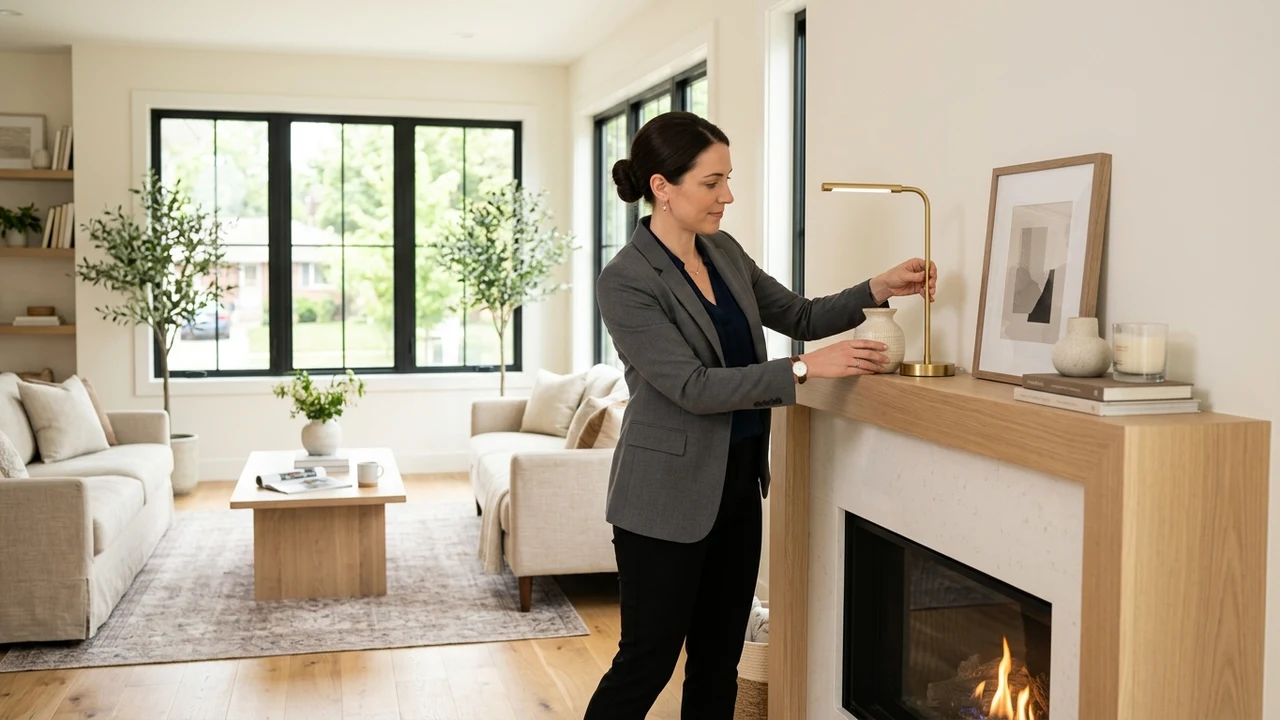
Get the mix right, and buyers feel they found a deal. That feeling drives the best offers.
A Simple Pre-Showing Checklist That Actually Works
Let me give you the exact routine I share with sellers. It takes about 30 minutes and covers what buyers really scan. Run it before every single showing.
Think of it as a quick “buyer’s-eye” sweep. You’re not cleaning for yourself. You’re cleaning for the person deciding whether to buy your home.
- Open all curtains and turn on every light.
- Air out the house for 15 minutes.
- Clear counters in the kitchen and bathrooms.
- Wipe faucets, mirrors, and glass.
- Tuck away shoes, mail, and clutter.
- Empty trash so nothing smells.
- Set the temperature to feel just right.
- Do a final “front door” walk-in test.
Do this every time and your home shows the same great way, even on a busy day. Consistency is what buyers reward.
Have you tried this walk-in test yourself? I’d love to hear what you noticed on that first fresh breath.
Frequently Asked Questions
What do home buyers notice first during a showing?
Buyers notice the entry, the smell, and the light first. Those three hit them in the first 10 seconds. A clean door, fresh air, and bright rooms set a good mood before they see anything else.
What do sellers most often forget before a showing?
Sellers most often forget smell, small repairs, and clutter in closets. They fix big items but skip the little signals. Buyers read those small things as clues about how well the home was cared for.
Do I need to remodel my kitchen to sell my home?
No. A full remodel is rarely worth it just to sell. A deep clean, fresh caulk, shiny faucets, and clear counters do most of the work for far less money. Buyers want clean and cared-for more than brand new.
How can I make my home smell good for buyers?
Air it out for 15 minutes before showings, wash pet items, and fix any damp spots. Skip strong sprays and heavy candles. A neutral, clean smell feels honest, while a strong scent makes buyers think you’re hiding something.
Does natural light really affect offers?
Yes. Bright homes feel bigger, happier, and more welcoming. Open every curtain, clean the windows, and turn on all lights before a showing. Buyers rarely name light out loud, but it strongly shapes whether a home “feels good” to them.
Final Thoughts
Buyers and sellers often look at the same house and see two different things. Sellers see effort and memories. Buyers see clues, comfort, and value.
Close that gap and you win. Fix the smell. Clear the clutter. Let the light in. Handle the small stuff sellers love to ignore.
If you’re getting ready to list and want a second set of eyes on your home, we’re happy to walk through it with you and point out exactly what buyers will notice. That one honest walk-through can be the difference between a home that sits and a home that sells.