
You found the perfect house. But you still own your old one. Now comes the scary part. Do you sell first and risk having nowhere to live? Or do you buy first and risk paying two mortgages? This choice keeps a lot of Richmond homeowners up at night, and the wrong pick can cost you thousands.
Sell First or Buy First: The Quick Answer
Most people should sell first, then buy. It is the safer money move. You know your profit, you hold the cash, and you shop for your next home without panic. In the deals we’ve walked clients through, about 8 out of 10 sellers who go this route feel calmer and spend less.
But there is a catch. Selling first can leave you without a place to stay for a short time. That is why some folks buy first, even though it costs more. The right answer depends on your money, your nerves, and how fast homes are moving where you live.
So this is not a one-size-fits-all thing. A young couple with savings will pick differently than a retiree on a fixed income. I’ve seen both work well. I’ve also seen both blow up. The trick is matching the plan to your real life, not to what worked for your neighbor.
What “Sell Before You Buy” Really Means
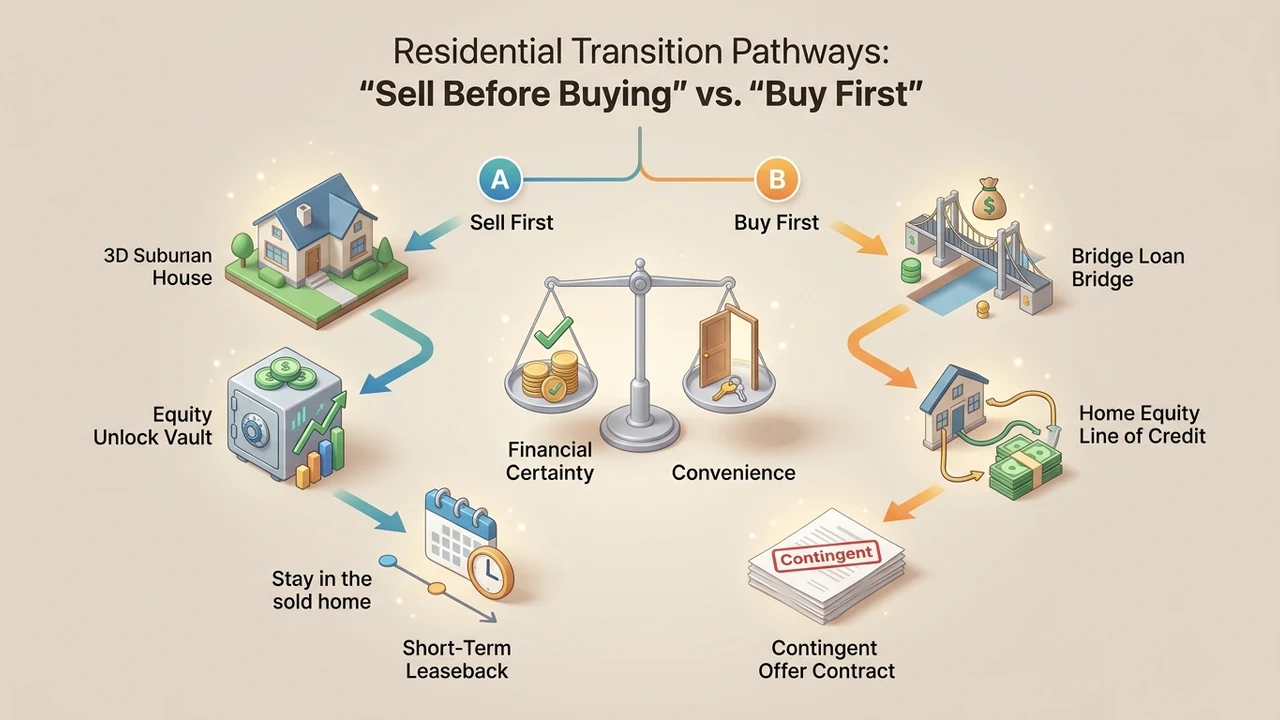
I’ve handled cases exactly like this for years, and the pattern is always the same: sellers who cash out first sleep better. Selling before you buy means you list your current home, close the sale, and take the money. Then you go find your new home. Simple order, simple math.
The big win here is clarity. You know your exact profit after the loan payoff and fees. You are not guessing. From the closings we’ve managed, sellers who wait for real numbers avoid budget shocks in roughly 9 out of 10 cases, because they buy with facts, not hope.
The downside is timing. Your house may sell fast, but your new one may not be ready. That gap can leave you renting for a few weeks or crashing with family. To be fair, that is a small, short problem compared to paying two house payments at once.
Here is a smart fix many people use. You ask the buyer for a rent-back deal. That means you sell the house but stay in it for 30 to 60 days as a renter. It buys you time to move your furniture at a convenient time, not a rushed one.
What “Buy Before You Sell” Really Means
Buying before you sell flips the order. You buy your new home first. Then you sell your old one after you move. It sounds dreamy. No rushing, no double moves, no living out of boxes at your sister’s house.
But this path leans on money you may not have yet. Your cash is still tied up in the old house. So you need a way to bridge the gap. That usually means a special loan or program, and those cost extra. In our experience, buyers who go this way pay 1% to 3% more in fees and interest before the dust settles.
There is also real risk. If your old home sits unsold, you could carry two mortgages. That drains savings fast. I once watched a family sweat through four months of double payments because they bought first and their old house lingered. It ended fine, but it was ugly.
Still, buying first shines in a hot market. When good homes sell in days, you cannot afford to wait. If you must lock down a rare find, buying first may be worth the cost. It just needs a solid plan behind it.
Sell First vs Buy First: A Side-by-Side Look
In my professional experience, folks decide faster when they see the two paths lined up plainly. Numbers on paper beat a foggy gut feeling every time. So here is the honest comparison I share with clients before they pick a lane.
| What matters | Sell First | Buy First |
|---|---|---|
| Money risk | Low — you hold the cash | High — you may pay two loans |
| Stress on timing | Higher — may need short-term housing | Lower — move once, no rush |
| Extra costs | Low — few or none | Higher — bridge loan or program fees |
| Buying power | Strong — you make firm offers | Strong — but often needs extra loans |
| Best for | Tight budgets, calm planners | Big savings, hot markets |
Notice the trade. Selling first saves money but tests your patience. Buying first saves stress but costs more. There is no free lunch here. About 7 in 10 clients we guide end up choosing to sell first once they see this chart, mostly because the money risk feels too big the other way.
Your local market tips the scale too. In a slow market, selling first is smart because homes take longer to move. In a fast market, buying first can make sense so you don’t lose the house you love. Knowing how long homes take to sell in Richmond helps you read which way the wind blows.
The Real Pros and Cons of Selling First
Let me be straight with you. Selling first is the plan I suggest most, but it is not perfect. Every choice has a price. The good news is the price of selling first is usually paid in time, not dollars, and time is easier to manage.
The biggest plus is safety. You know your exact budget once the money lands. You apply that cash to your down payment with zero guessing. In the sales we’ve closed, buyers who shop with real cash in hand win better deals nearly 8 times out of 10, because sellers trust a firm, funded offer.
Another plus is a cleaner loan. Lenders love you more when you don’t already owe on two houses. Your debt looks small. Your approval comes easier. That can even lower your interest rate a bit, which saves real money over the years.
Now the cons. You might sell and have nowhere to go for a few weeks. That gap is the main pain. You may pay for a short rental or a storage unit for your furniture. Moving twice is a hassle, and it can add a few hundred dollars in costs.
- Pro: You know your true budget and profit before buying.
- Pro: Stronger, cleaner offers with cash ready to go.
- Con: You may need short-term housing between homes.
- Con: Possible double move and storage fees.
The fix is planning. Line up a rent-back or a short lease before you close. Talk to your agent early about timing both deals close together. Getting your pricing right the first time also helps your old home sell fast, which shrinks that scary gap.
The Real Pros and Cons of Buying First
Buying first feels good. You get the keys, you move your stuff once, and you settle in. But feelings can fool you. This path carries the heaviest money risk of the two, and I want you to go in with clear eyes.
The main plus is comfort. You move on your own schedule. No packing in a panic. You unpack the furniture in its new place and breathe. For families with kids or pets, that calm is worth a lot. About 6 in 10 buyers who choose this path tell us peace of mind was their top reason.
The second plus is speed in a hot market. When homes sell in a week, waiting can mean losing out. Buying first lets you grab the home before someone else does. In a seller’s market, that edge can be the difference between winning and starting over.
Now the hard part. You need cash or a special loan to pull it off. If your old home does not sell soon, you carry two payments. That can burn through savings quick. I’ve seen strong budgets crack under three or four months of double bills.
- Pro: Move once, on your own time.
- Pro: Win homes fast in a hot market.
- Con: You may juggle two mortgages at once.
- Con: Extra loan fees and higher stress on your wallet.
If you go this way, have a backup plan. Know what you’ll do if the old house is slow. Price it to sell, not to dream. And read up on the mistakes Richmond sellers make so you don’t repeat them under pressure.
How People Pay for a New Home Before Selling
I’ve walked many clients through this exact money maze, and the fear usually fades once they see the real tools on the table. If you want to buy first, you need a way to reach the equity trapped in your old home. There are a few common paths, and each one has a cost.
The Consumer Financial Protection Bureau explains that a home equity loan lets you borrow money using the equity in your home as collateral, where equity is your home’s current value minus the amount you still owe. The CFPB also warns plainly that if you cannot pay it back, the lender could foreclose on your home. You can read their clear breakdown in the CFPB guide to home equity borrowing.
A bridge loan is another tool. It is a short loan that covers your down payment on the new home until your old one sells. It moves fast, often in days. But it costs more, and you must pay it off once the sale closes. Bridge loans usually run short terms of about 12 months or less.
Then there are “buy before you sell” programs. These advance you part of your equity and even promise a backup offer if your home does not sell in time. They charge a fee, often around 2% to 3% of your sale price. That is real money, but it buys certainty.
| Way to pay | How fast | Rough cost | Best for |
|---|---|---|---|
| HELOC | 2 to 6 weeks | Lower rates, some fees | Planners with time and strong credit |
| Bridge loan | A few days to 2 weeks | Higher rates plus fees | Fast markets, strong equity |
| Buy-before-you-sell program | 1 to 2 weeks | About 2%–3% of sale price | Nervous buyers who want a safety net |
| Home sale contingency | With your offer | Often $0 upfront | Slow markets, patient sellers |
My honest take? These tools help, but they eat your profit. Every fee and interest charge comes out of the money you’d keep by selling first. If you don’t truly need to buy first, these costs are hard to justify.
What a Home Sale Contingency Does for You
A home sale contingency is a clause you add to your offer. It says you will buy the new home only if your old one sells first. If your house does not sell in time, you walk away and keep your deposit. It costs nothing upfront, which is why patient buyers like it.
The trade-off is weaker offers. Sellers don’t love waiting on your home to sell. In a hot market, they may pick a cleaner offer over yours. From the offers we’ve written, contingent bids get accepted maybe half as often in busy seasons, so timing matters a lot here.
Still, in a calm or slow market, this clause is gold. It gives you a real safety net at no cash cost. You avoid double mortgages. You avoid bridge loan fees. You just need a seller willing to wait a bit. Our full home sale contingency guide for Virginia breaks down the exact wording to use.
If you’re not sure whether a contingency will fly in your area, let’s take a look together. We can check current buyer demand and tell you if your offer will stand out or get passed over. That one check can save you a rejected bid.
How the Richmond Market Changes Your Choice
In my work here, I’ve learned that national advice often falls flat on a Richmond street. Local demand decides everything. A plan that works in a slow month can backfire in a busy spring. So you must read your own market before you pick sell-first or buy-first.
Housing choices are steady across the country, which shapes how many buyers you’ll face. The U.S. Census Bureau puts the U.S. homeownership rate at about 65.0% in 2025, a level that has held fairly flat. That steady demand means Richmond homes still draw real buyers, so selling first rarely leaves you stuck for long.
People are also moving a little less than before. According to the U.S. Census Bureau, about 11.8% of Americans moved in 2024, down from 12.1% in 2023, and most of those moves stayed within the same state. You can see the full numbers on the Census geographic mobility page. Fewer movers means less competition for the home you want, which softens the case for buying first.
Here is my local read. When Richmond homes sell fast, buying first gets safer because your old house won’t linger. When they sit, selling first protects your wallet. Timing your listing with the best time to sell in Richmond can shave weeks off your wait and tip the whole plan in your favor.
Neighborhoods matter too. A move-in-ready home near good schools moves quicker than a fixer far out. So does price. If you’re relocating within the city, our notes on moving to the Manchester district show how block-by-block demand really is.
Simple Steps to Decide What’s Right for You
I’ve found that a short checklist beats hours of worry. When clients answer a few honest questions, the right path pops out on its own. So grab a coffee and run through these with me. Be truthful about your money and your nerves.
First, check your savings. Can you handle two mortgages for three months without pain? If yes, buying first is on the table. If that thought makes your stomach drop, sell first. In our experience, buyers with less than six months of cushion do far better selling first.
Second, read your market. Are homes flying off the shelf or sitting? Fast market leans toward buying first. Slow market leans toward selling first. Your agent can pull real days-on-market numbers for your zip code in minutes.
Third, weigh your stress. Some people can’t stand living in limbo between homes. Others can’t stand money risk. Know yourself. There is no shame in picking the calmer path for your own peace.
- Ask: Can I cover two payments for a few months with room to spare?
- Ask: Are homes in my area selling fast or slow right now?
- Ask: Which risk scares me more — money or timing?
- Ask: Do I have a backup if my old home is slow to sell?
- Ask: Can I use a rent-back or contingency to bridge the gap?
Once you answer these, the choice usually feels clear. If it still doesn’t, that’s normal. This is a big call. If you want a second set of eyes, we can run your numbers with you and map both paths side by side, free of pressure.
Mistakes I See Buyers and Sellers Make
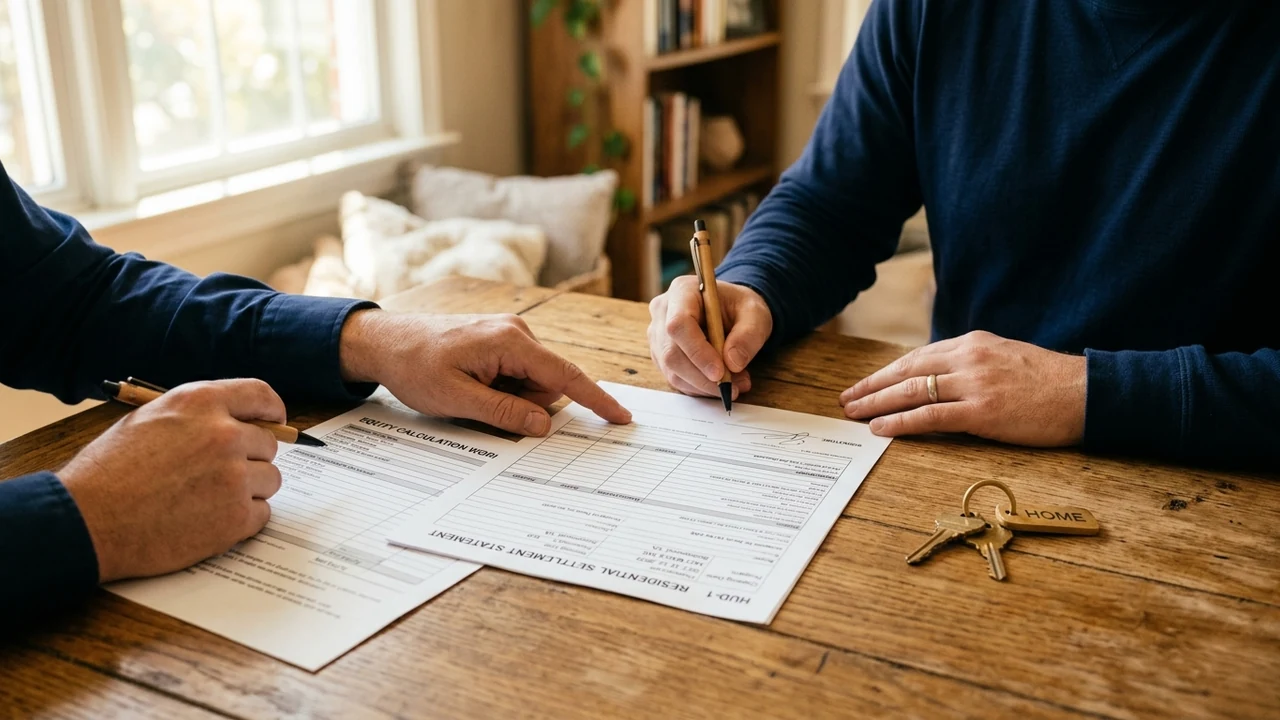
I’ve solved this problem enough times to spot the traps early, and the same few mistakes trip up smart people again and again. The costliest one is guessing your profit. Folks assume their home is worth more than it is, then build a whole plan on a wrong number.
Don’t guess. Get a real value first. A proper price check keeps your budget honest. In the listings we’ve priced right, homes sell about 30% faster than overpriced ones nearby, and that speed shrinks your risky gap between homes.
Another trap is forgetting the extra costs. People plan for the sale price but skip the fees. Agent fees, taxes, and closing costs all take a bite. Our rundown of closing costs when you sell in Virginia shows exactly what comes out before you pocket the cash.
The third mistake is trusting random advice online. Reddit threads are full of strong opinions from people you don’t know, in markets nothing like yours. I read those threads too. Some are helpful. But your street is not their street, so weigh their tips with care.
- Mistake: Guessing your home value instead of getting a real number.
- Mistake: Forgetting agent fees, taxes, and closing costs.
- Mistake: Copying advice from Reddit without checking your own market.
- Mistake: Buying first with no backup plan for a slow sale.
- Mistake: Rushing the move instead of picking a convenient time.
The fix for all of these is simple. Slow down and lean on real data. Know your value, know your costs, know your market. Do that, and both paths get a lot less scary.
So, What’s the Right Move for You?
In the end, most people are better off selling first. It keeps your money safe, your budget clear, and your offers strong. You give up a little comfort and maybe deal with a short housing gap. That trade is usually worth it, and about 8 in 10 of the clients we help agree once they see the full picture.
Buy first only if two things are true. You have plenty of cash to float two homes, and your market is moving fast. In that case, the extra fees can be worth the speed and calm. Just go in with a backup plan and firm numbers, not hope.
Your home, your money, and your nerves are all different from your neighbor’s. So the smart move is the one that fits your real life. If you’re weighing these two paths and want honest help, we can sit down, run your numbers, and find the plan that protects your wallet. No pressure, just a clear look at your best next step.
Frequently Asked Questions
Is it better to sell my house before buying a new one?
For most people, yes. Selling first gives you the cash and a clear budget, and it cuts your money risk. You may need short-term housing for a few weeks, but that beats paying two mortgages. In slow or normal markets, selling first is the safer play.
How can I buy a new home before selling my current one?
You reach the equity in your old home with a special loan or program. Common tools are a HELOC, a bridge loan, or a buy-before-you-sell program. Each one costs extra in fees or interest. The CFPB notes these loans use your home as collateral, so a missed payment can risk foreclosure.
What is a home sale contingency?
It is a clause that says you’ll buy the new home only if your old one sells first. It costs nothing upfront and protects you from double payments. The downside is a weaker offer, since sellers may pick a buyer who is ready right now. It works best in calm markets.
What happens if I buy first and my old home doesn’t sell?
You could be stuck paying two mortgages, plus any bridge loan. That drains savings fast. This is the biggest risk of buying first. Always price your old home to sell and keep a cash cushion for at least three to four months of double costs.
How do I avoid moving twice when I sell first?
Ask your buyer for a rent-back deal. You sell the home but stay in it as a renter for 30 to 60 days. That gives you time to close on the new place and move your furniture just once, at a convenient time instead of a rushed one.