
Home odors shape how buyers feel the second they step inside. A bad smell hints at hidden problems and drives offers down, while a clean, neutral home builds trust fast. The fix is simple: find the odor source, deep clean, air out every room, and skip strong sprays before showings.
What Home Odors Really Do to Buyers During a Showing
Smell is the first thing a buyer notices. Not the paint.
Not the floors. The nose gets there before the eyes do.
When someone walks into your home, their brain reads the air in about one second. A fresh room quietly says, “This place is loved.” A funky one says, “What are they hiding from me?”
Here in Richmond, Virginia, I’ve walked hundreds of buyers through homes over the years. In my experience, close to 9 out of 10 buyers form a strong opinion before they reach the kitchen.
A sharp odor can end a showing in under a minute. First impressions stick hard.
And smell is the loudest part of that first hit, even when nobody says a word out loud.
Most odors hide in the same few spots. Once you know where they live, you can hunt them down. Here is a quick map I use with sellers before any home showings.
That last column is the scary part. Buyers do not just smell the odor.
They build a whole story about your property from it. One bad whiff and the price in their head drops.
So this is never only about a smell. It is about money, trust, and whether your listing wins or waits.
The First Sniff: Why Smell Beats Sight
Your nose has a direct line to the feeling part of the brain. That is why a scent can pull up a memory in a flash. A buyer does not think, “This is a musty basement.” They just feel uneasy, and they trust that feeling.
I’ve seen buyers love a home on paper, then cool off the moment they walk in. The photos were great.
The smell was not. That gut reaction shapes their whole perception of the place, and it is very hard to undo once it sets in.
Simple Words to Know: Odor, Musty, and Masking
Let me keep the terms plain so every word is easy to follow.
- Odor, any smell in your home, good or bad.
- Musty, that old, damp, wet-towel smell. It often means mold or trapped water somewhere.
- Masking, trying to cover a bad smell with a stronger one, like candles or a plug-in.
- Source control, finding the thing that makes the smell and removing it for good.
Keep these four ideas in your pocket. The whole plan below runs on them. And once you get the difference between masking odors and removing them, you are already ahead of most home sellers on the market.
Why Home Smells Matter So Much for Your Richmond Sale
I’ve handled cases exactly like this before. One Church Hill listing I took on sat quiet for weeks, with lots of clicks online but almost no second visits.
The home looked sharp in every photo. The problem was a pet odor near the back room that hit you at the door.
We cleaned it out, and offers came within days.
Smell moves money. In my experience, a strong unpleasant odor can knock 5% to 15% off what buyers feel a home is worth.
That is real cash on a Richmond sale. A fresh, clean house feels newer, safer, and better kept, even when the bones are the same as the smelly one next door.
Quick Wins You Notice Right Away
Fix the smell and good things happen fast. Buyers linger longer.
They open closets instead of rushing out. They picture their own life in the space.
In my years selling homes, showings in a fresh home run 3 to 4 times longer than showings in one with a bad odor.
Longer visits lead to more offers. That is the pattern I see again and again.
When the air feels honest and light, people relax. A relaxed buyer is a buyer who bids.
It really is that simple, and it costs you very little to pull off.
The Long Game: Stronger Offers and Faster Sales
A clean-smelling home does not just sell. It sells faster and often for more. Buyers fight less over price when nothing feels “off.” Fewer red flags means fewer reasons to lowball you or walk away at the last minute.
Timing matters too, since Richmond springs get warm and damp fast, which wakes up musty smells. If you want to plan around this, our guide on the best time to sell a house in Richmond pairs well with a smell plan, and you can also check how long it usually takes to sell here. Small odor fixes shave real days off the calendar.
How Bad Odors Change What Buyers Think (The Simple Method)
The chain is short and quick. Smell hits the nose.
The nose sparks a feeling. The feeling turns into a guess about how well the home was cared for.
A bad odor makes buyers assume hidden repairs, even if the house is perfect underneath.
Here is where most sellers trip up. They reach for candles and sprays.
But masking a smell almost never works. A buyer’s nose is smart.
It catches both the cover-up and the real problem at the same time. That combo screams “they are hiding something,” which is worse than the plain odor on its own.
Read that table twice. The goal is not a home that smells like vanilla or a light ocean breeze.
The goal is a home that smells like clean air and nothing else. Neutral wins.
In my experience, about 7 out of 10 buyers feel suspicious the moment a room smells “too perfumed.”
Pet Odors, Smoke, and Musty Basements: The Big Three
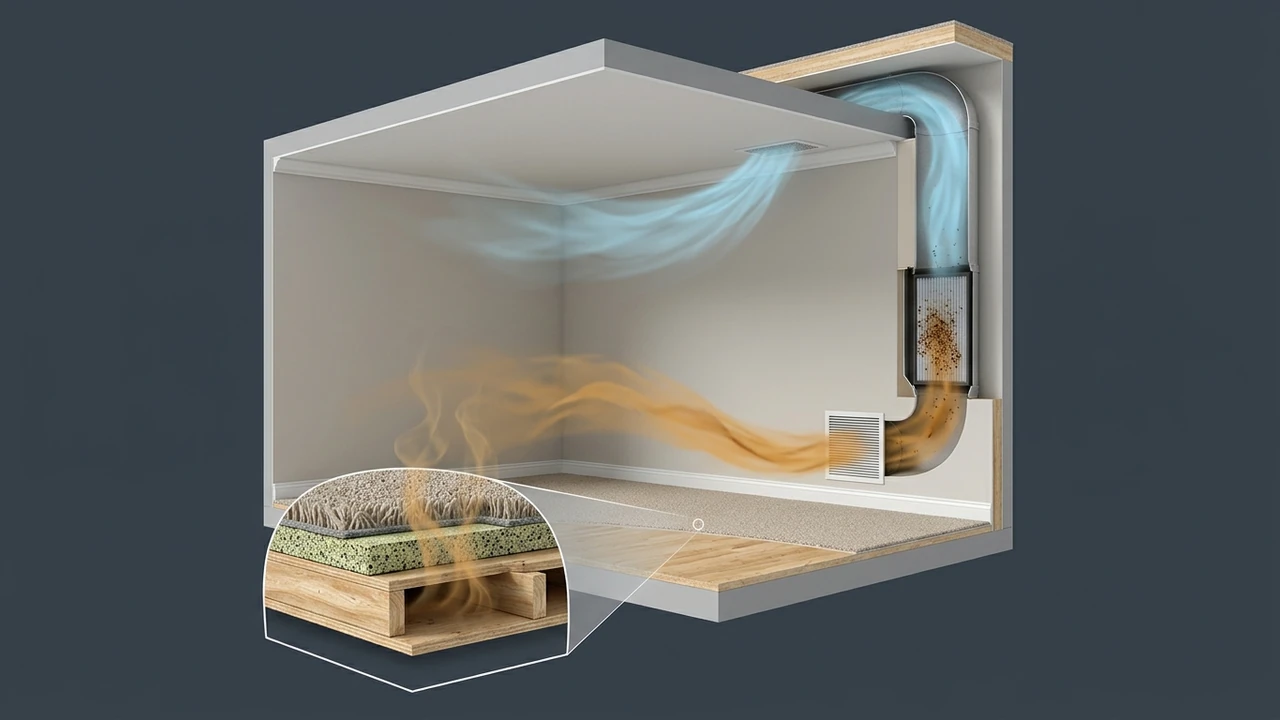
These three are the hardest to beat, so give them extra care. Pet odors soak deep into carpet, pads, and even walls.
A quick vacuum will not cut it. You often need a steam clean, new pads, or fresh paint to fully eliminate the smell.
Cigarette smoke is even more stubborn. It coats walls, ceilings, and vents in a sticky film.
Musty basement air is the third beast, common in older Richmond homes near the James River where damp settles in. Each one needs the source gone, not a spray on top.
Your Step-by-Step Plan to Beat Home Odors Before Showings
In my professional experience, sellers who treat odor like a real project, not a quick spray, win almost every time. You cannot bottle over a problem and hope buyers miss it.
They will not. So we work in two clear phases, and both are easy to follow.
Small effort, big payoff. I’ve seen sellers spend a weekend on this and add thousands to their final number.
Roughly 8 out of 10 odor problems I meet get solved with cleaning and airing out alone, no big money needed. Let’s break it down.
Phase 1: Find the Source (Your Odor Audit)
You cannot fix what you cannot find. So play detective first. Your own nose goes blind to smells you live with daily, which is why you may not notice what buyers will.
- Leave and come back. Step outside for 15 minutes, then walk in like a buyer. That first hit is what buyers get.
- Ask a fresh nose. A friend or your agent can spot the odor you’ve gone numb to.
- Check the usual traps. Sniff the carpet, trash, drains, pet beds, basements, and closets.
- Look for damp. A musty smell points to mold or a slow leak that needs a real fix.
If you’ve smelled something in your Richmond home but cannot track it down, we can walk through it with you and help find the source before your first showing. A second nose early saves a lot of pain later.
Phase 2: Clean, Remove, and Keep the Air Fresh
Now you remove the smell for good. According to the U.S.
Environmental Protection Agency, the best way to fix indoor air is to control or remove the source of the odor and bring in fresh outdoor air, not to cover it up. That is the whole game, straight from the science.
- Deep clean every surface, floors, walls, counters, and inside the fridge.
- Wash all soft stuff: curtains, carpet, pet bedding, and couch covers.
- Empty the trash, run the disposal with lemon, and clear old food from the kitchen.
- Open windows daily and run a fan to move stale air out.
- Fix leaks and run a dehumidifier in damp basements to stop mold.
Here is a fast room-by-room plan I hand to sellers. Fresh smell is a big part of good staging, so pair this with our full home staging guide for the best result.
Common Odor Mistakes Richmond Home Sellers Should Avoid
I see the same slip-ups on repeat. The biggest one is masking.
Sellers light three candles and plug in two air fresheners an hour before a showing. Buyers walk in, and their nose flags the trick right away.
Honestly, a heavy floral cloud often reads worse than the plain problem.
Ignoring smoke is another costly one. The EPA notes that tobacco smoke settles onto walls and surfaces and keeps letting off a smell long after the smoking stops, which is why a smoke-free home is the only real fix.
You usually need to wash the walls, seal them, and repaint. In my experience, sealing paint cuts the leftover smoke smell by more than half.
Here are the traps to skip:
- Over-spraying, buyers smell the cover and the problem together.
- Ignoring damp, the EPA warns that mold grows wherever water sits, and a musty smell is usually the first clue, so fix the water, not just the room.
- Forgetting the car and garage, these hold odors too and buyers peek inside.
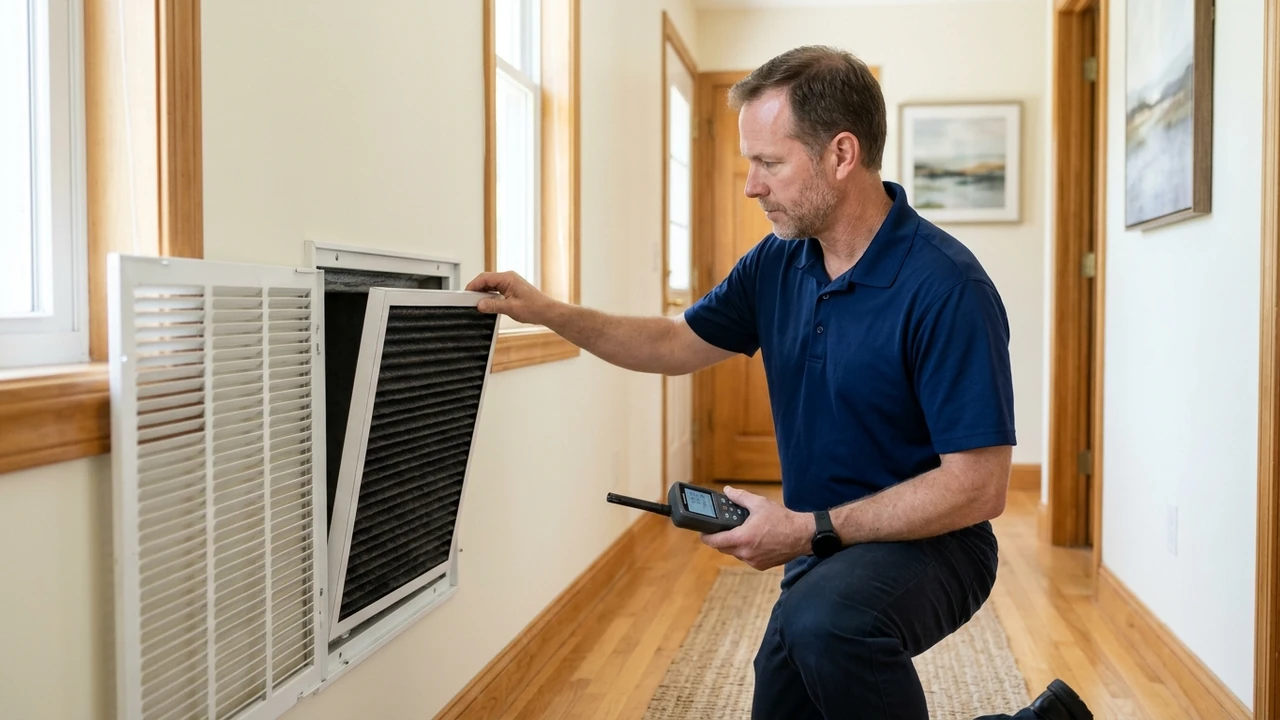
- Skipping the ducts, old cooking odors and smoke ride through the vents.
Want the bigger picture? These tie into other common home-selling mistakes I watch Richmond owners make. And since our seasons swing damp, our seasonal home maintenance checklist helps you stay ahead of musty buildup all year long.
Measuring Success: How to Know Your Odor Fix Is Working
In my professional experience, you measure a smell fix by watching how buyers act, not by how strong the room smells to you. A well-fixed home smells like almost nothing.
So do not judge it by scent. Judge it by behavior at your showings and by what lands in your inbox after.
Track a few simple signs. If people stay longer, come back for a second look, and send stronger offers, your fix worked.
In my experience, a fresh home pulls in second showings about twice as often as one with a lingering odor. That jump is your real scoreboard.
If the odor is baked deep into an older home and the fix feels like too much, you still have a path. You can sell without the repairs.
Ask us about selling your house as-is in Virginia, and we’ll help you weigh a quick, honest real estate sale against a full cleanup. Sometimes that is the smarter move for your wallet and your calendar.
Frequently Asked Questions
What smell attracts home buyers?
The truth may surprise you. Buyers are pulled in most by light, natural, clean smells, or by no smell at all.
Soft fragrances like citrus, fresh coffee, or clean cotton feel warm and safe. Skip strong sprays.
A neutral, airy home beats a heavy perfumed one almost every time in real showings.
How does smell influence perception?
Smell wires straight into the feeling part of the brain, so it shapes buyer perception before logic kicks in. A clean smell signals a cared-for home.
A bad odor signals hidden repairs and risk. In my experience, buyers cut their price in their head fast when a house smells off, even if the property is solid.
What is the hardest smell to get rid of in a house?
Cigarette smoke and heavy pet urine top the list. Both soak deep into carpet, subfloor, walls, and even the vents, so surface cleaning barely helps.
To fully remove them you often need new carpet, sealing paint, and a duct cleaning. Musty mold smell is a close third and needs the water source fixed first.
What do realtors use to make a house smell good?
Good agents remove the odor first, then keep things simple. We deep clean, wash fabrics, empty trash, and open windows wide.
For a final touch, some simmer citrus, brew fresh coffee, or run a mild diffuser. We avoid strong candles and plug-ins, since masking makes sharp buyers suspicious rather than charmed.
Do I have to tell Virginia buyers about a past mold or odor problem?
Virginia mostly follows a “buyer beware” rule, so you often sell largely as-is. Still, you cannot hide or lie about a known problem like active mold or water damage.
The honest, safe move is to fix the source and share what you know. Our guide to Virginia seller disclosure rules breaks down exactly what to put in writing.
Final Thoughts Before Your Next Showing
Here is the whole thing in one breath. A home that smells clean feels honest, and honest homes get better offers.
Find the odor, remove the source, air the place out, and stop hiding behind sprays. That plan alone can lift your Richmond sale more than a fresh coat of paint.
Your nose is a tool. Your buyer’s nose is a judge.
Give it nothing bad to grab onto, and you clear the path to a stronger, faster deal. Small steps here pay off big at the closing table, and most cost little more than a weekend of work.
If you’re getting ready to list in Richmond and want a second nose on your home before showings, reach out to us at Buy and Sell Richmond. We’re happy to walk through it with you, spot the trouble spots, and help your house put its best foot, and best smell, forward.
Have you caught a stubborn odor in your own place? I’d love to hear how you tackled it.