
A home warranty is a yearly service plan that pays to fix or replace home systems and appliances when they break. When buyers ask for one, sellers can offer coverage to build trust, speed up the sale, and lower the risk of repair fights after closing.
Understanding Home Warranty Requests: The Basics for Richmond Sellers
When you sell a house in Richmond, a buyer may ask you to add a home warranty to the deal. This is normal.
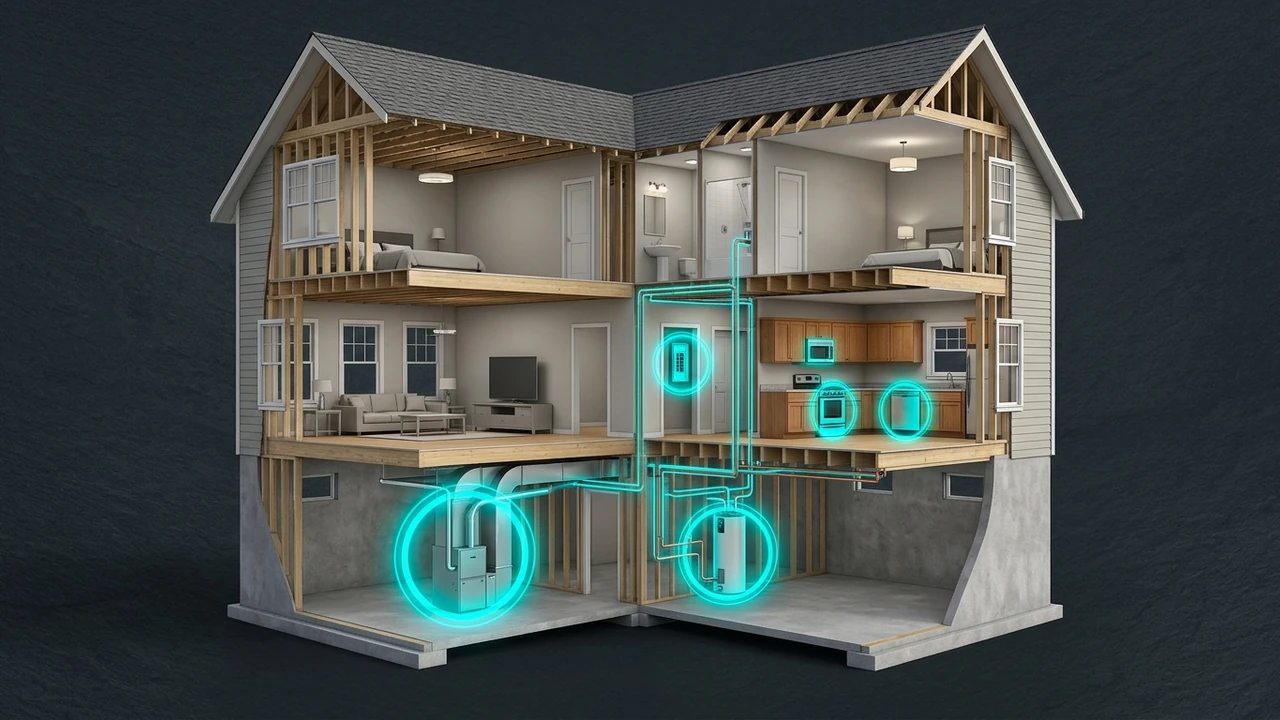
A home warranty is a service plan, not insurance. It covers repairs on things that wear out from normal use, like your HVAC unit, water heater, or kitchen appliances.
Think of it as a safety net for the buyer’s first year.
Here is the part many sellers miss. A home warranty is not the same as home insurance.
Insurance pays for sudden damage, like a fire or a storm. A warranty pays for parts that break from normal wear and tear.
Both matter, but they do very different jobs, and buyers often want the warranty for peace of mind.
Most plans run for 12 months after closing. During that year, if a covered item breaks, the buyer calls the warranty company.
The company sends a repair person. The buyer pays a small service fee, and the plan covers the rest.
In our work with Richmond sellers, about 8 out of 10 buyers who ask for this are first-time buyers who feel nervous about surprise repairs.
What a Home Warranty Really Covers
Coverage changes by plan, so read the fine print. A basic plan usually covers major systems.
A better plan adds more appliances and extras. Real numbers help here, so let me show you a simple look at what is often covered and what is not.
The key word here is “covered.” A plan only pays for listed items that fail from normal use. If a part broke before the plan started, that claim gets denied.
This is one of the top reasons buyers get upset later, and in our experience it explains more than half of first-year complaints. So set the right expectation early.
Key Words You Will Hear
Let me keep the terms simple. A claim is a request to fix a broken item.
The service call fee (also called a trade call fee) is the small amount the buyer pays each visit, often $75 to $125. Coverage means what the plan will pay for.
An exclusion is what the plan will not pay for. Knowing these four words helps you talk to buyers with real confidence.
Why Buyer Home Warranty Requests Matter When You Sell
I’ve handled plenty of Richmond sales where a buyer asked for a warranty at the last minute. In my experience, how you answer that request often sets the mood for the whole deal.
Say yes the smart way, and trust goes up. Handle it poorly, and small repairs can turn into big arguments before closing.
A warranty request is really a signal. The buyer is telling you they worry about repair costs.
That worry is fair. A new HVAC system can cost $5,000 to $10,000 to replace, and a water heater can run several hundred dollars.
When you offer coverage, you calm that fear. You also protect yourself, because the plan handles first-year problems instead of you.
There is a money side too. A warranty is a low-cost tool.
A seller’s plan often costs about $300 to $600 for the year, and many companies let you pay at closing. Compared to the price of the home, that is tiny.
It can be the small thing that keeps a nervous buyer from walking away from your listing.
Quick Wins During the Sale
Offering a home warranty can help your listing stand out. In a busy Richmond market, homes with a warranty often feel “move-in safe” to buyers.
That can mean faster offers. It can also mean fewer repair requests during the inspection stage, because the buyer knows the plan has their back for a full 12 months.
A warranty can also protect your deal from falling apart. When a buyer feels covered, they are less likely to nickel-and-dime you over every tiny fix.
That keeps the sale on track. If you want to see how this fits with other parts of a contract, our guide on home sale contingencies in Virginia breaks it down step by step.
The Long Game: Fewer Callbacks and Happier Buyers
The real payoff shows up after closing. Without a warranty, an unhappy buyer may call you about every leak or noise.
With one, they call the warranty company instead. In our experience, sellers who add a plan get far fewer calls in the first few months, often close to zero for covered items.
Happy buyers also talk. They leave good reviews and refer friends.
That reputation matters if you sell homes often or plan to sell again someday. If you’re getting ready to list in Richmond and a warranty request has you unsure, our team can look at your deal and help you decide what’s fair.
How a Home Warranty Works in a Home Sale
The process is simpler than most people think. Once you agree to add coverage, the plan gets set up during escrow and starts at closing.
From there, the buyer uses it all year. Here is the basic order of steps so nothing feels confusing.
- Agree on it. The buyer’s request goes into the contract, along with who pays.
- Pick a plan. You choose a warranty company and the level of coverage.
- Order the plan. Your agent or the title company places the order before closing.
- Coverage starts. The plan goes live on the closing date and runs for 12 months.
- Buyer files claims. If a covered item breaks, the buyer calls the company and pays the service fee.
Payment is flexible, which sellers like. You can pay the full plan cost at closing, so nothing comes out of pocket now.
The cost simply comes off your proceeds. Many Richmond sellers fold this into their closing costs when selling a home in Virginia so it’s planned, not a surprise on closing day.
One thing to watch: coverage must stay active for the buyer to file a claim. If the plan lapses, claims stop.
Most plans renew each year, but that choice belongs to the buyer after year one. Your job as the seller ends once the first-year plan is paid and active, which keeps things clean.
Step-by-Step: Handling a Buyer’s Home Warranty Request
I’ve walked many sellers through this exact step. The pattern I see most: sellers who prepare early spend far less time arguing over small repairs later. A little planning turns a scary request into a quick “yes.” Let me show you how I do it, in two clear phases.
Phase 1: Review and Get Ready
Start by reading the request closely. What plan does the buyer want?
Who do they expect to pay? Are they asking for extra coverage on older systems?
Write down the answers so nothing gets lost. Keep every email and note in one folder, so you can find them fast.
Next, check the age of your big-ticket items. If your HVAC unit is 10 to 15 years old, or your water heater is past 8 to 12 years, a warranty is smart for you too.
Older systems fail more often, and the plan takes that risk off your plate. This is also a good time to review your Virginia seller disclosure requirements, since a warranty does not replace honest disclosure.
Then compare a few warranty companies. Look at price, coverage, and reviews.
A cheap plan with poor customer service helps no one. In my experience, the plan with fair coverage and quick repairs beats the cheapest plan every time, even if it costs a few dollars more per month.
Phase 2: Negotiate, Order, and Close
Now talk numbers. Decide who pays and how much coverage fits.
Sometimes the seller pays the full plan. Sometimes you split it, or offer it in place of a repair credit.
Learning how to negotiate home sale offers helps you trade the warranty for something you want, like a smoother timeline.
Once you agree, put it in writing and order the plan. Your agent or title company handles the paperwork so the coverage starts on the closing date. If you’d rather not handle this alone, we can help you order the right plan and add it to the contract the correct way, with nothing missed.
Here is a quick look at typical costs so you can plan your budget with real numbers.
Common Mistakes and Myths About Home Warranties
Sellers trip over a few things again and again. The biggest myth?
That a home warranty covers everything. It doesn’t.
It covers listed items that fail from normal wear and tear. The Federal Trade Commission points out that a home “warranty” on a resale home is really a service contract, not the same as a manufacturer’s warranty, you can read their consumer guidance at the FTC.
Another mix-up is confusing a resale warranty with a builder’s warranty. These are different tools for different homes.
A resale plan covers used systems and appliances. A builder’s warranty covers new construction, the workmanship and structural parts of a brand-new home.
Here is the difference at a glance.
Watch out for red flags before you pick a plan. A little care here saves your buyer a lot of stress later, and saves you the callbacks.

- Vague coverage lists that don’t spell out what is covered.
- Very low prices paired with sky-high service call fees.
- Bad customer reviews about denied claims.
- No clear rules on pre-existing issues.
- Hard-to-reach support with no phone or email help.
Don’t treat a warranty as a way to hide problems, either. It is not a substitute for repairs or honest disclosure.
If your home has real issues, fixing them or choosing to sell your house as-is in Virginia is more honest than hoping a plan will cover them up. Buyers and inspectors usually find the truth anyway, so play it straight.
Measuring Success: What to Track After You Say Yes
In my professional experience, sellers who track a few simple numbers after closing avoid most surprise complaints. The ones who track nothing tend to get the frustrated calls.
You don’t need fancy tools. You just need to keep an eye on a handful of things during those first weeks.
First, confirm the plan is active. Check that the order went through and coverage started on the closing date.
This one step prevents most first-month problems. If a buyer tries to file a claim and the plan isn’t active, that call comes back to you, and it’s an easy mistake to avoid with a quick check.
Second, watch the claim experience. Ask your agent to check in with the buyer during the first 30 to 60 days.
Did the company answer fast? Was the repair fair?
Happy buyers rarely complain, but a slow warranty company can sour the whole deal. If a fair claim gets denied, the buyer has options, USA.gov explains how to file a consumer complaint with the state.
Third, track your own savings. Count how many repair calls you dodged because the plan handled them.
In our experience, one avoided HVAC or water heater repair can save a seller $500 to several thousand dollars in goodwill fixes. That is the real return: fewer headaches, fewer costs, and a clean break after closing.
To keep systems healthy year-round, this seasonal home maintenance guide for Richmond is a handy follow-up for buyers and homeowners.
Final Thoughts for Richmond Sellers
A buyer’s home warranty request is not a threat. It is a chance to build trust and protect your sale.
Offer the right plan, put it in writing, and let the coverage do the heavy lifting for that first year. Most of the time, it costs little and saves you real stress on the way to closing.
Keep it simple. Read the plan, know what is covered, and set fair expectations with your buyer.
Older systems, Richmond’s hot summers, and busy buyers all make a warranty a smart move. If you want a second set of eyes on a buyer’s request, reach out, we can help you weigh the cost against the payoff and keep your deal on track.
Have you had a buyer ask for a warranty before? I’d love to hear how it went. Every sale is a little different, and the more we share, the smarter we all sell.
Frequently Asked Questions
After years of Richmond closings, these are the questions sellers ask me most. Short, honest answers below, with no fluff.
Is it common for a seller to buy a home warranty for the buyer?
Yes, it is very common. Many sellers offer a home warranty to make their listing more appealing and to guard against first-year repair calls.
It is often paid at closing, so there is no upfront cost to you. In a competitive market, it can be the small perk that helps your home sell faster than the one down the street.
What is a red flag on a home warranty?
A red flag is any sign the plan won’t deliver. Watch for vague coverage lists, very low prices paired with high service call fees, and lots of complaints about denied claims.
Poor customer service, no easy phone or email help, is another warning sign. Always read reviews before you pick a company, not after.
What does Dave Ramsey say about home warranty?
Dave Ramsey has often said he is not a fan of home warranties for long-term homeowners. His view is that plans can cost a lot over time and may deny claims, so he suggests building your own repair fund instead. For a home sale, though, a one-year plan is a low-cost tool to reassure a buyer, which is a different goal than lifelong coverage.
What are common home warranty claim denials?
Most denials come down to a few reasons. The item wasn’t covered, the problem existed before the plan started, or the system wasn’t kept up with normal care.
Poor past repairs and lack of maintenance are big ones too. This is why reading the coverage list and keeping records matters so much for the buyer.
- Pre-existing problems before the plan began
- Lack of maintenance on systems and appliances
- Items not listed in the coverage
- Improper past repairs by unlicensed workers
- Normal wear excluded by that specific plan
Who pays for the home warranty, the buyer or the seller?
It depends on your deal. Often the seller pays for the first-year plan as part of the sale, and the cost comes out at closing.
Sometimes buyers pay, or the two sides split it down the middle. After the first year, the buyer decides whether to renew.
It’s all negotiable, so put the final choice in writing.